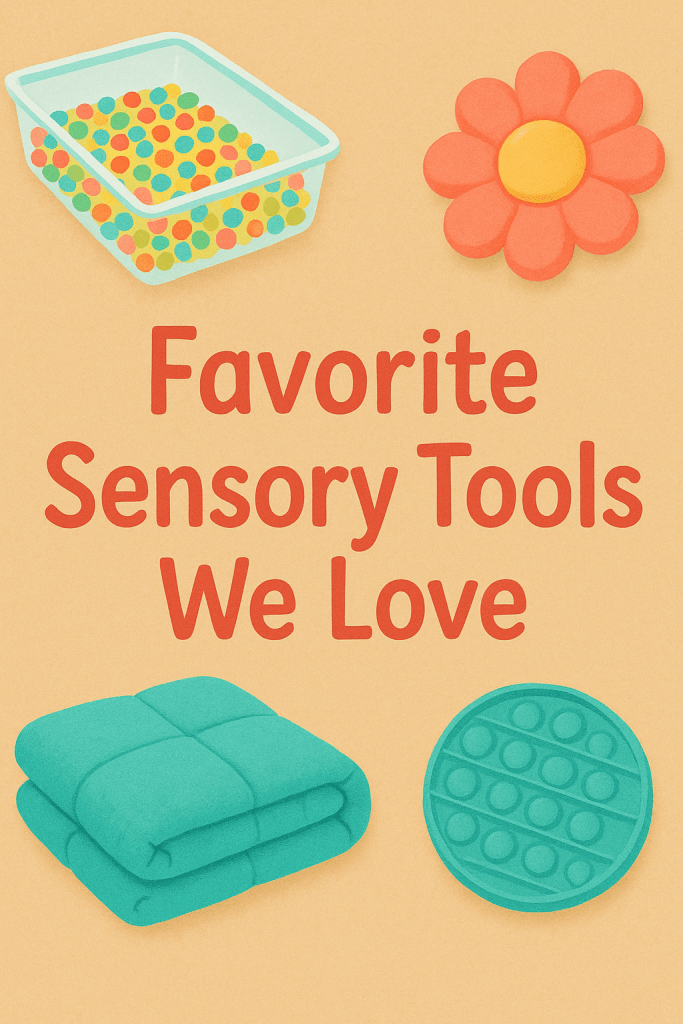
With October being Sensory Processing Awareness Month, it’s a great time to talk about how our nervous systems process the world around us. Some children (and adults) seek more sensory input, while others avoid it and often, kids can show a mix of both depending on the situation.
Understanding the difference can make daily life feel smoother, and having the right tools on hand can transform overwhelm into comfort.
Sensory Seekers and Avoiders: Two Sides of the Same Coin
- Sensory Seekers crave input. They might spin, jump, chew, or touch everything around them because their nervous system wants more.
- Sensory Avoiders are easily overwhelmed by input. Tags in clothes, sudden noises, or bright lights can feel like “too much,” leading them to pull away, cover ears, or resist.
It’s important to remember that these aren’t opposites that cancel each other out. A child can be a seeker in one area (loving spinning and swinging) and an avoider in another (hating sticky or itchy textures).
Having the right resources at home, in the classroom, or even in the car can help kids feel grounded and safe. Some examples:
- For sensory seekers: weighted balls, chewable jewelry, swings, trampolines, or fidget tools.
- For sensory avoiders: soft tag-free clothing, noise-reducing headphones, blackout curtains, or cozy calming corners.
- For both: books that explain sensory differences, flexible seating options, or tools that can be adapted depending on your child’s comfort level.
I’ve been keeping a list of items we have used (or similar). You can explore them all on my Favorite Things page. Whether you’re parenting a seeker, an avoider, or a little bit of both, this list is designed to help you find what works best for your family.
Sensory needs don’t disappear with age, they evolve. The more we learn, the better we can support our kids (and even ourselves) with patience, empathy, and the right resources. If you’re just beginning this journey, know you don’t have to figure it all out alone and simple tools can make a big difference.
 Just My MomSense
Pingback: Understanding Sensory Processing Symptoms – Just My MomSense