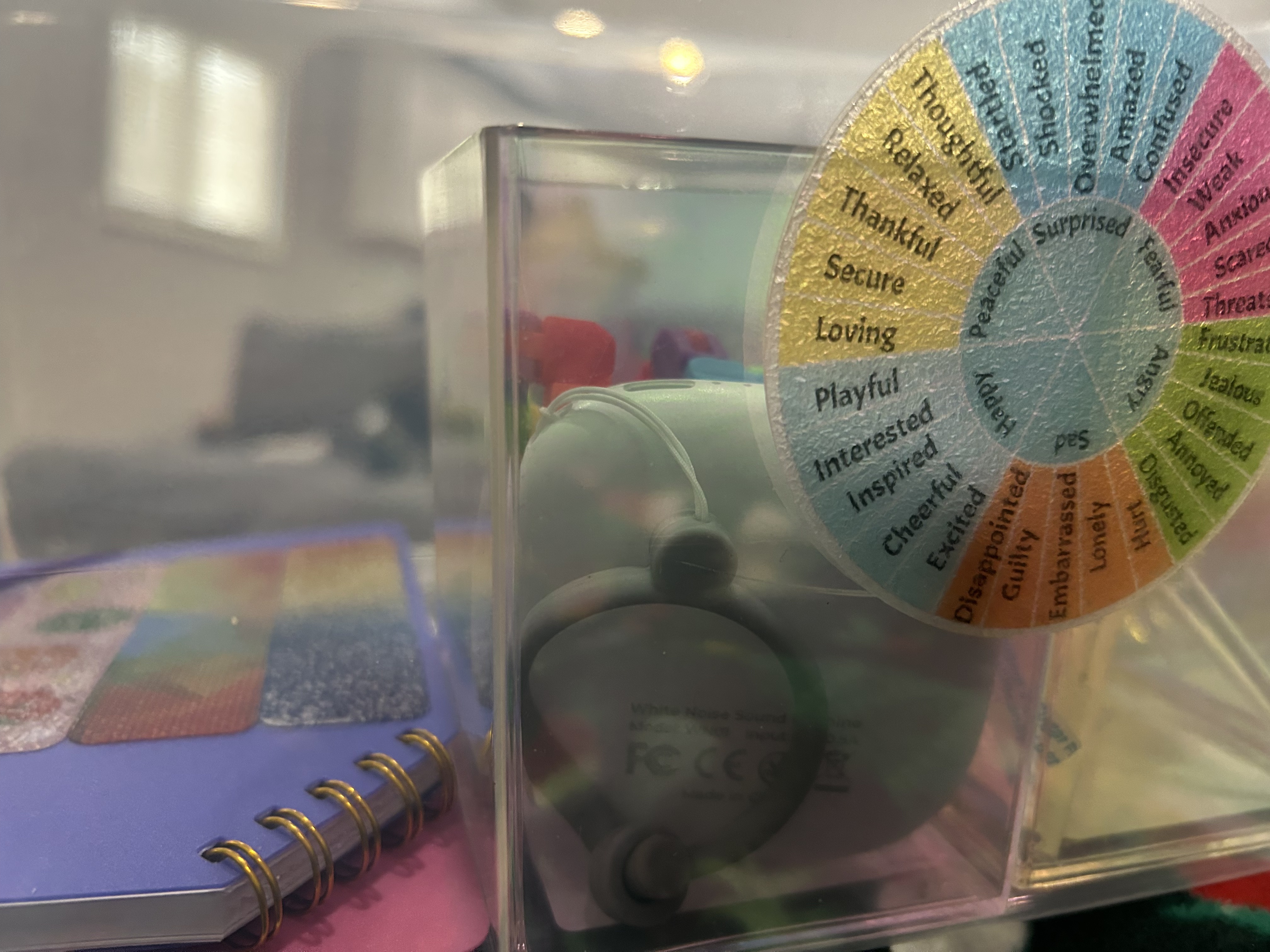
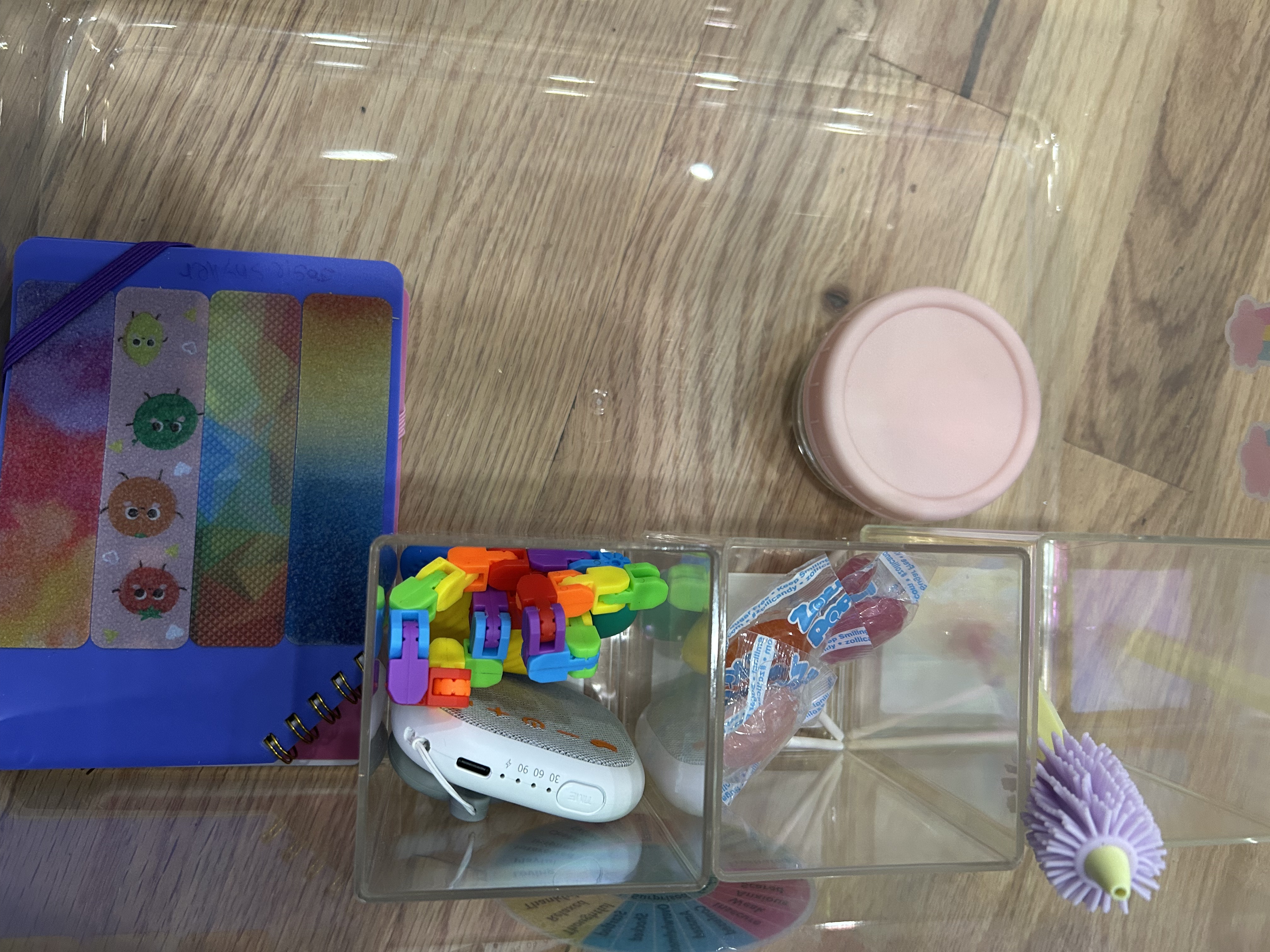
We were in need of a Sensory Bin overhaul!
Our old sensory bin was out of sorts and were no longer engaging my 10 and 7 year olds. I was talking with a therapist who mentioned focusing on things you can touch, taste, smell, see and hear. That’s all I needed to hear! Although this makes sense and our old bins somewhat did this, I was able to refocus on the bins in a different way instead of just throwing random toys into it.
Sensory bins have become one of our go-to tools, offering endless opportunities for exploration, creativity, and emotional regulation. In this post, I’ll share the items we added to our new sensory bins.
What is a Sensory Bin?
Before we dive into the items I included, let’s quickly review what a sensory bin is. Simply put, a sensory bin is a container filled with materials that encourage hands-on exploration. These bins are designed to stimulate a child’s senses—sight, touch, smell, and sometimes even hearing—through various textures, colors, and items. Sensory bins are great for calming anxious kids, building fine motor skills, and promoting imaginative play. These bins can vary based on age and there are plenty of age appropriate items out there based on your child’s individual needs.
Our Sensory Bin Items
*All of these items can be found on the “These Are A Few Of My Favorite Things” page.*
Here is how we simplified our Sensory Bins:
1. Calming Strips (image taken from Amazon):
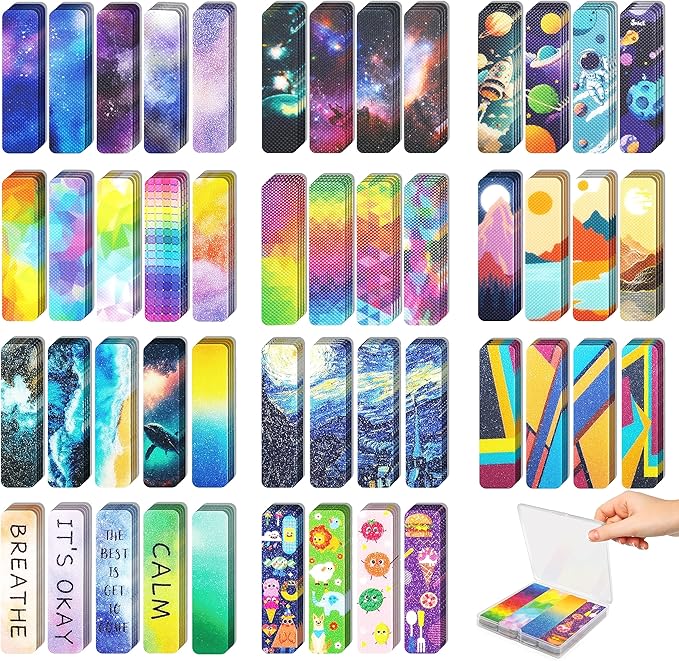
These are so cool! Calming strips are a fantastic tool designed to help children (and adults) self-regulate during moments of stress, anxiety, or overstimulation. These strips are a sensory-friendly solution, providing a textured surface that offers a calming tactile experience when touched or rubbed.
2. Fidget Toy Sensory Stone

I love how these stones feel! The Sensory Stone is a calming tool designed to provide immediate tactile feedback to help manage stress, anxiety, and sensory overload. Ideal for children and adults, this smooth, textured stone offers a soothing sensory experience when held and rubbed. It’s the perfect size to carry in your pocket, making it a discreet tool for on-the-go stress relief, whether at school, work, or home.
The sensory stone promotes mindfulness and grounding by providing a simple, calming action that helps users refocus their energy and reduce tension.
3. Zollipops Lollipops

I wanted to add something for taste with plenty of flavor but no dyes, which wasn’t easy to find. I came across Zollipops on Amazon which has been a great lollipop alternative.
Oral sensory input can help a person stay grounded. The repetitive, calming action of sucking on the lollipop can redirect attention from overwhelming thoughts or feelings, allowing the person to focus on the physical sensation of the treat. For those who experience overstimulation, especially in sensory-sensitive environments (like noisy or crowded spaces), the act of focusing on the sensation of the lollipop can serve as a grounding tool. It offers a quiet, non-intrusive way to redirect attention to a more controlled, manageable sensory experience, helping to reduce feelings of being overwhelmed.
4. Portable Sound Machine

A portable sound machine can be a valuable addition to a sensory bin, enhancing the sensory experience and providing a calming, immersive environment. This sound machine has varying sounds, such as white noise, nature sounds (rain, ocean waves, birds chirping) and gentle music, which can help create a relaxing atmosphere. These sounds can help mask background noises that may be distracting or overstimulating and help reduce stress and anxiety.
5. Mindfulness Stickers
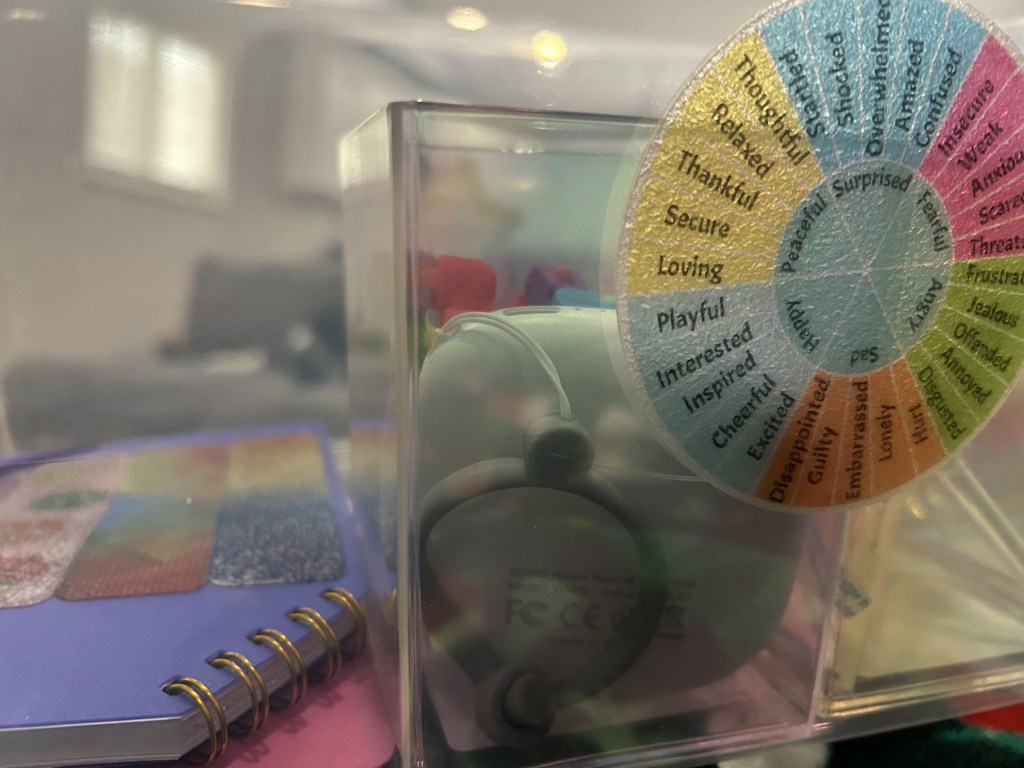
The kids have used their mindfulness stickers to decorate their bins. These stickers are often designed with calming images, patterns, or inspirational phrases that encourage self-reflection, relaxation, and emotional regulation. By incorporating mindfulness stickers into a sensory bin, you can create an interactive, soothing, and engaging environment for children (and adults) to practice mindfulness, focus, and grounding. Some of the stickers help to practice proper breathing, others help with identifying emotions and remembering what we all have control over and what we don’t.
6. Lavendar for Smell

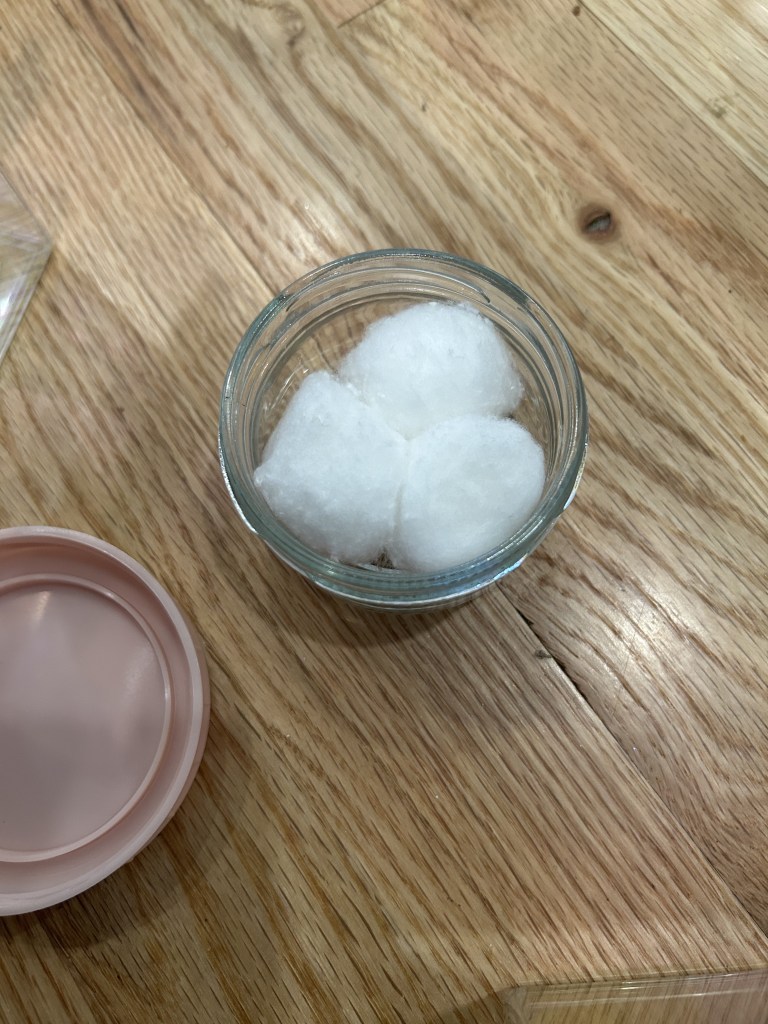
I already had these small jars and decided to repurpose them for the sensory bins. I added three cotton balls with a bit of lavender oil so it wasn’t too overpowering but they could also easily open the jar and smell enough of the scent. Lavender is widely known for its soothing properties, making it a go-to natural remedy for promoting relaxation and calmness.
7. Old fashioned pad and pen!


Drawing pictures and writing stories or random thoughts can all be a great way to ground yourself when feeling anxious. I found the pads and pens at Dollar Tree and the kids decorated their notepads with calming strips.
Customize Your Bin With What Works For You
Every child is unique, and sensory bins can be easily customized to suit your child’s preferences and developmental needs. My kids have already added various toys to their bins and I’m sure they will change over time. Whether you’re creating a calming space or encouraging imaginative play, these bins can provide endless benefits for your kids. What’s in your sensory bin? Share your favorite items in the comments below!
 Just My MomSense
Pingback: The Power of Scent: How Peppermint and Lavender Essential Oil Rollers Improve Anxiety and Daily Life – Just My MomSense