Sensory Processing Awareness Month | October 2025

October is Sensory Processing Awareness Month, and I couldnโ€™t let the first day pass without taking a moment to share why this month is so close to my heart.

If youโ€™ve been following along with Just My MomSense, you already know that sensory processing plays a huge role in our familyโ€™s daily life. For us, itโ€™s not just about quirky preferences or โ€œpickyโ€ behaviors, itโ€™s about how our children experience the world. A sound, a texture, or a room full of people can feel too much or not enough. What looks small on the outside can feel enormous on the inside.

Thatโ€™s why Sensory Processing Awareness Month is so important. Itโ€™s a time to pause, educate, and bring understanding to families, teachers, friends, and communities who might not fully see whatโ€™s happening behind the scenes. For those of us living this everyday, itโ€™s a reminder that our kids are processing the world differently, and that deserves respect, patience, and support.

This month, Iโ€™ll be sharing practical tools, calming strategies, and real-life stories from our sensory journey. My hope is that you feel less alone and more equipped, whether youโ€™re a parent, caregiver, or someone who simply wants to better understand sensory needs.

Letโ€™s use this month to celebrate the uniqueness of our kids, raise awareness in our circles, and gently remind the world: sensory processing differences are real, valid, and worth honoring.

Hereโ€™s to a month of awareness, compassion, and connection!

Quick Tips for Sensory-Friendly Theme Park Travel

If you’re a parent or caregiver of a neurodivergent child, the thought of visiting a theme park can feel both exciting and overwhelming. Between the crowds, the noise, and the unexpected moments, thereโ€™s a lot to navigate. But hereโ€™s the good news: with the right tools and preparation, places like Disney World, Universal Orlando, and Legoland Florida can be magical for our sensory-sensitive kiddos.

In the latest episode of the Just My MomSense Podcast, Iโ€™m sharing some quick tips and tricks Iโ€™ve learned from traveling to these parks with my kids. Whether you’re planning your first big theme park adventure or want to improve the experience for your family, this episode is for you.

Listen to the full episode here or on your favorite podcasting platform!

To go along with the episode, Iโ€™ve created a printable Sensory Friendly Vacation Prep Kit available now in my Etsy shop:

  • Visual Schedule Cards to help kids understand the flow of the day
  • โ€œMy Dayโ€ prompt sheets to prep for big outings
  • โ€œI Did It!โ€ badge to celebrate bravery
  • โ€œI Need a Breakโ€ card for when communication gets tough

Grab the kit here on Etsy

Thereโ€™s no one-size-fits-all when it comes to sensory needs and thatโ€™s okay! What matters most is meeting your child where they are and giving yourself grace as you go. Theme parks can be a great experience for you and your family.

Have a favorite sensory travel tip? A must-visit quiet spot at a park? Share in the comments or send me a message Iโ€™d love to hear from you!

Embracing Neurodiversity | A Conversation with Dr. Matt Zakreski

On the most recent episode of the Just My MomSense Podcast, I had the absolute joy of speaking with Dr. Matt Zakreski. Dr. Matt is a clinical psychologist who specializes in neurodiversity, giftedness, and mental health for kids and teens.

As parents, especially those raising neurodivergent kids, weโ€™re constantly seeking guidance, tools, and a little reassurance that weโ€™re not alone. Dr. Matt brings all of that and more. Whether your child is diagnosed with ADHD, autism, sensory processing differences, or is simply a big-feelings kid who processes the world differently, then this episode is for you.


What Is Neurodiversity?

Neurodiversity is the concept that neurological differences, like ADHD, autism, dyslexia, and others are natural variations of the human brain, not deficits. Dr. Matt breaks it down beautifully in this episode, reminding us that being neurodivergent doesnโ€™t mean something is wrong. It means your brain works differently and that difference brings value.


Strengths-Based Parenting for Neurodivergent Kids

Dr. Matt is passionate about focusing on what your child can do, rather than just whatโ€™s hard for them. Instead of seeing a meltdown as โ€œbad behavior,โ€ itโ€™s about understanding whatโ€™s underneath, whether it’s sensory overload, anxiety, or an unmet need.

He shares strategies for:

  • Building emotional regulation skills
  • Creating safe, affirming environments at home and in school
  • Encouraging self-advocacy in neurodivergent children

Navigating School and Advocacy

A big part of our conversation centered on school and Dr. Matt offers practical advice for:

  • Talking to teachers and schools about your childโ€™s needs
  • What to look for in an inclusive education environment
  • How to advocate

Listen Here!

Also available on your favorite podcasting platform.


Connect with Dr. Matt Zakreski

Visit his website: drmattzakreski.com
Follow on Instagram: @drmattzakreski

Itโ€™s Podcast Launch Day! Welcome to the Just My MomSense Podcast

Todayโ€™s the day.

After months (ok, maybe years) of thinking about it, planning it, second-guessing it, and finally recording it, the Just My MomSense Podcast is officially live!

Writing has always been my comfort zone, but after doing the Dilloโ€™s Diz podcast for the past 7 years and spending a year and a half co-hosting the Magical Mommy Monday podcast, I felt like this was a good next step. Iโ€™m excited to share more stories, highlight helpful resources, and talk to experts or other parents!

The Pilot and first official episode are now live! You can listen here by clicking on the Podcast tab on the menu or wherever you listen to podcasts! A new episode will drop on Wednesday and continue weekly.

This isnโ€™t about having all the answers. Itโ€™s about sharing what Iโ€™ve learned (and am still learning).

Thank you for being here at the start. Iโ€™m so excited for whatโ€™s to come.

Something New Is Coming: The Just My MomSense Podcast!

For years, Just My MomSense has been a place where Iโ€™ve shared stories and helpful resources; but now, Iโ€™m so excited to tell you that something new is comingโ€ฆ

Introducing: The Just My MomSense Podcast: launching this Motherโ€™s Day!

This podcast has been something I’ve been thinking about for awhile. Shameless plug: as some of you know, I host the Dillo’s Diz podcast with my brother, which centers around our love for Disney and Pop Culture. Taking what I’ve learned doing that podcast, turning Just My MomSense into a podcast started to feel like a natural progression. But this time, it would be just me and that part made me nervous.

After writing blog posts, connecting with other parents, and learning (and unlearning) so much over the last 7 years, I felt it was time to bring these conversations to life in a whole new way. Podcasting allows me to expand on sharing resources as I continue to learn and connect with others along the way.

Each week, Iโ€™ll be sharing:

  • Reflections from my own parenting experience
  • Resources that have helped our family thrive (or just survive a tough week)
  • Interviews with educators, therapists, and fellow parents

The first episode drops on Sunday, May 11th (Motherโ€™s Day)! With the title and all (and a nudge from a friend with the idea) it seemed appropriate. After that, weโ€™ll settle into a weekly rhythm with new episodes every Wednesday. Episodes will also be posted on your favorite podcasting platform and right here on the blog.

Follow along on Instagram and Facebook for more! You can also use or follow the hashtag #JustMyMomSensePodcast to join the conversation. Feel free to DM me or comment with questions or topics you’d love for me to cover.

Thank you for being here, whether you’ve read one post or followed since the beginning. I can’t wait to share this next chapter with you.

How Weighted Blankets Improve Sleep, Reduce Stress, and Soothe Sensory Needs

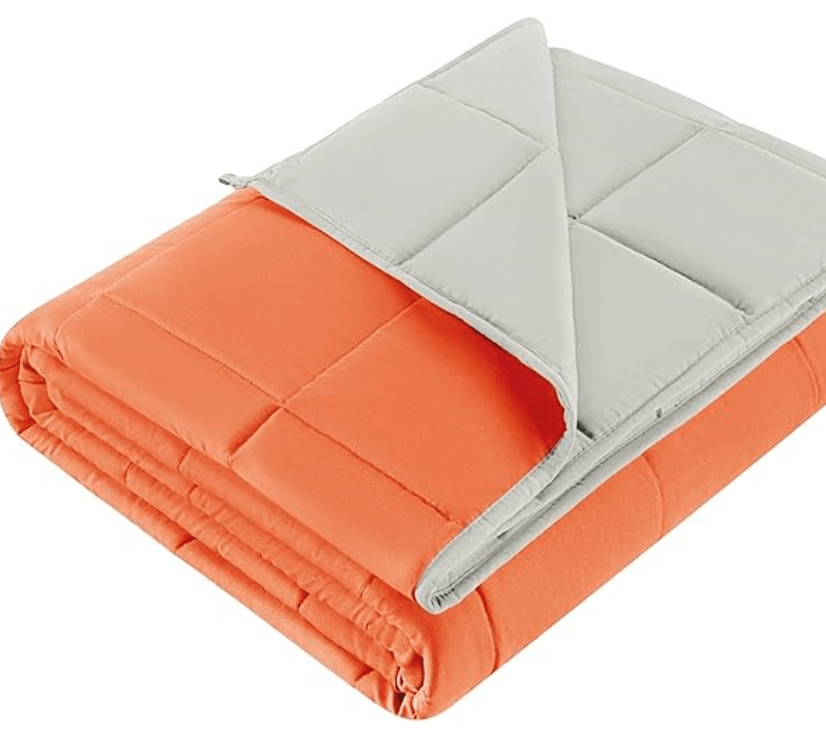
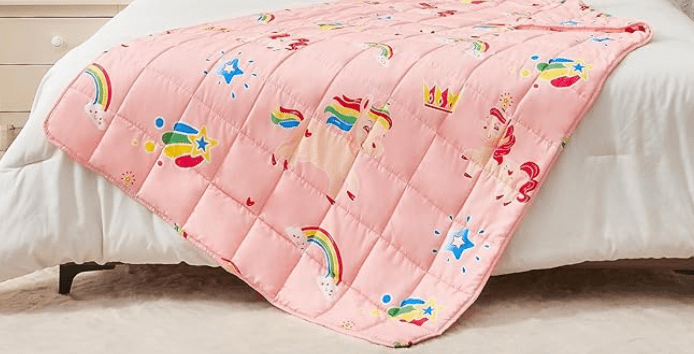
There are no words for the excitement both of my kids had once their weighted blankets were delivered and they were under the covers!

The two we bought are linked on the “These Are A Few Of My Favorite Things” page.

These blankets provide gentle, evenly distributed pressure across the body. This comforting sensation, often called โ€œdeep touch pressure,โ€ feels like a warm hug and can work wonders for your mind and body. Whether youโ€™re looking for better sleep, stress relief, or sensory support, weighted blankets offer benefits for everyoneโ€”kids and adults alike.

There are so many benefits to a weighted blanket:

  • One is how they can help with sleep. By applying gentle pressure, these blankets boost the production of serotonin (the โ€œhappy hormoneโ€) and melatonin (the โ€œsleep hormoneโ€) while keeping cortisol (the stress hormone) in check. A lot of hormones working together to improve sleep!
  • A weighted blanket is also great for stress relief. The pressure helps calm your nervous system, creating a sense of security and relaxation.
  • For kids (and adults!) with sensory processing challenges, autism, ADHD, or anxiety, weighted blankets can be a lifesaver. They provide a steady, grounding pressure that helps regulate sensory input and creates a feeling of safety.
  • Weighted blankets are amazing for emotional regulation. When my kids are having a tough time, getting under one of these blankets can make all the difference. Itโ€™s like hitting a reset button.

I’m big on putting as many tools in your tool box as you can. Sometimes that is something you can do like a breathing technique and others it can be an actual item. Weighted blankets are a tool for better sleep, less stress, and sensory balance. Our kids love their blankets!

Have you tried a weighted blanket? Iโ€™d love to hear how itโ€™s worked for you. Drop your thoughts in the comments!

If you’d like to see the weighted blankets we picked out on Amazon (as pictured below), you can check them out here, along with a few of our other favorite things!

How I Set Up Sensory Bins For My Kids

We were in need of a Sensory Bin overhaul!

Our old sensory bin was out of sorts and were no longer engaging my 10 and 7 year olds. I was talking with a therapist who mentioned focusing on things you can touch, taste, smell, see and hear. That’s all I needed to hear! Although this makes sense and our old bins somewhat did this, I was able to refocus on the bins in a different way instead of just throwing random toys into it.

Sensory bins have become one of our go-to tools, offering endless opportunities for exploration, creativity, and emotional regulation. In this post, Iโ€™ll share the items we added to our new sensory bins.


What is a Sensory Bin?

Before we dive into the items I included, letโ€™s quickly review what a sensory bin is. Simply put, a sensory bin is a container filled with materials that encourage hands-on exploration. These bins are designed to stimulate a childโ€™s sensesโ€”sight, touch, smell, and sometimes even hearingโ€”through various textures, colors, and items. Sensory bins are great for calming anxious kids, building fine motor skills, and promoting imaginative play. These bins can vary based on age and there are plenty of age appropriate items out there based on your child’s individual needs.


Our Sensory Bin Items

*All of these items can be found on the “These Are A Few Of My Favorite Things” page.*

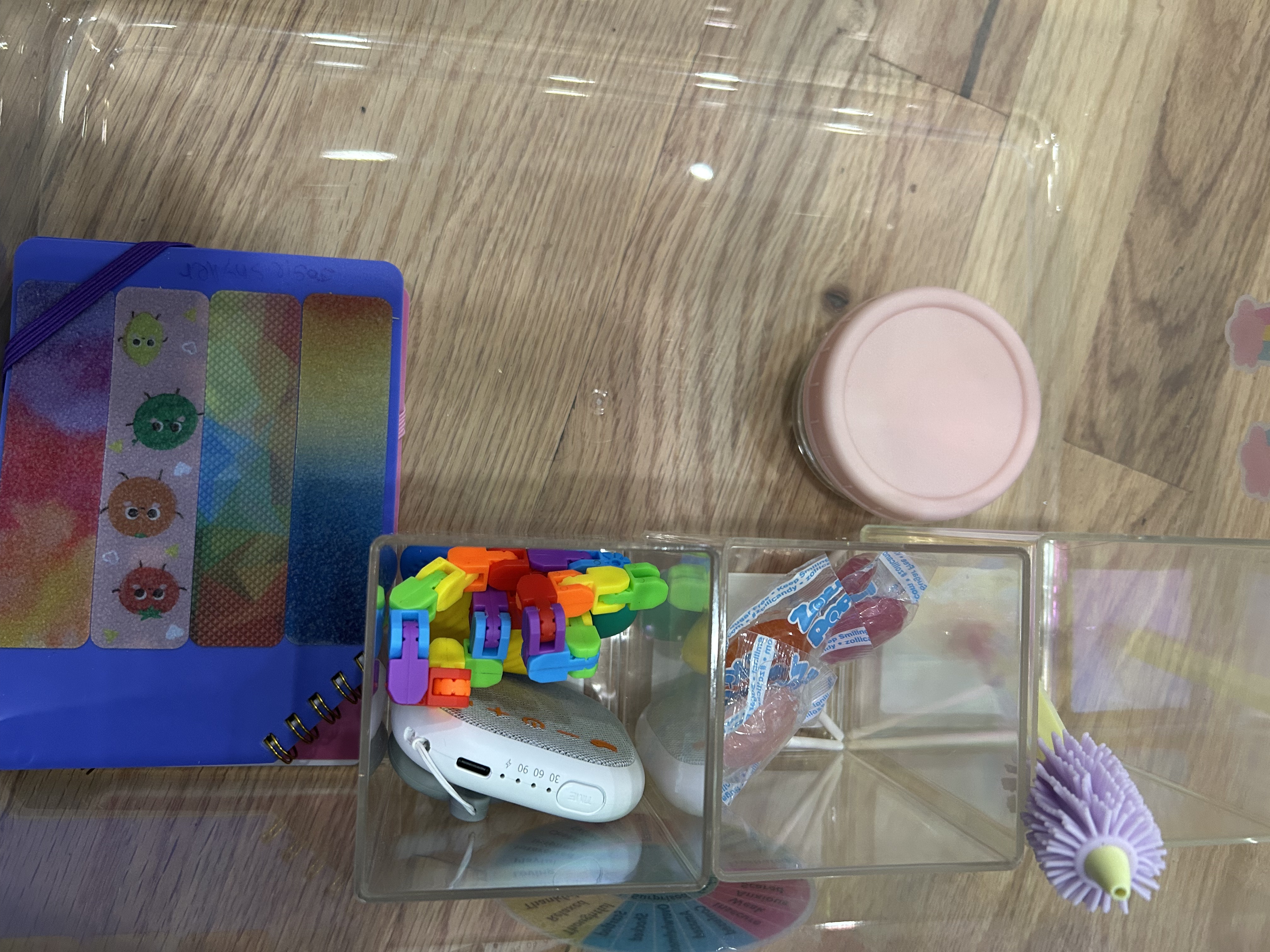
Here is how we simplified our Sensory Bins:

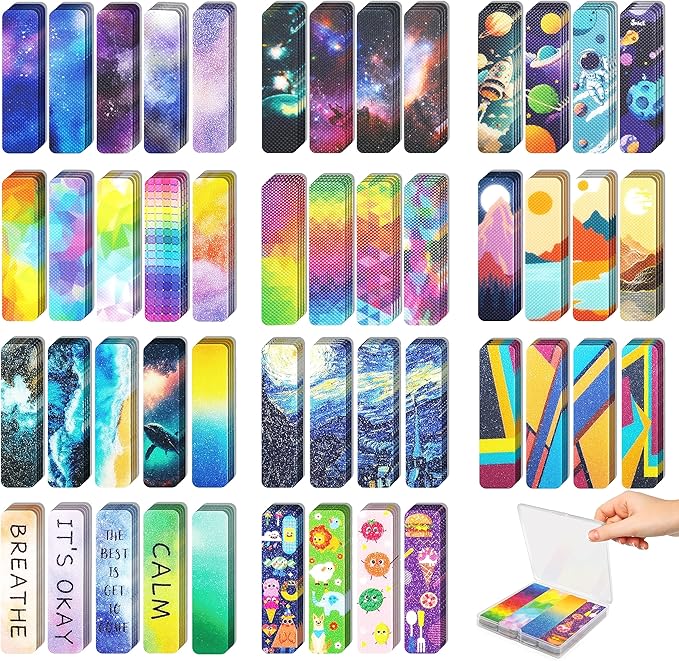
1. Calming Strips (image taken from Amazon):

These are so cool! Calming strips are a fantastic tool designed to help children (and adults) self-regulate during moments of stress, anxiety, or overstimulation. These strips are a sensory-friendly solution, providing a textured surface that offers a calming tactile experience when touched or rubbed.

2. Fidget Toy Sensory Stone

I love how these stones feel! The Sensory Stone is a calming tool designed to provide immediate tactile feedback to help manage stress, anxiety, and sensory overload. Ideal for children and adults, this smooth, textured stone offers a soothing sensory experience when held and rubbed. Itโ€™s the perfect size to carry in your pocket, making it a discreet tool for on-the-go stress relief, whether at school, work, or home.

The sensory stone promotes mindfulness and grounding by providing a simple, calming action that helps users refocus their energy and reduce tension.

3. Zollipops Lollipops

I wanted to add something for taste with plenty of flavor but no dyes, which wasn’t easy to find. I came across Zollipops on Amazon which has been a great lollipop alternative.

Oral sensory input can help a person stay grounded. The repetitive, calming action of sucking on the lollipop can redirect attention from overwhelming thoughts or feelings, allowing the person to focus on the physical sensation of the treat. For those who experience overstimulation, especially in sensory-sensitive environments (like noisy or crowded spaces), the act of focusing on the sensation of the lollipop can serve as a grounding tool. It offers a quiet, non-intrusive way to redirect attention to a more controlled, manageable sensory experience, helping to reduce feelings of being overwhelmed.

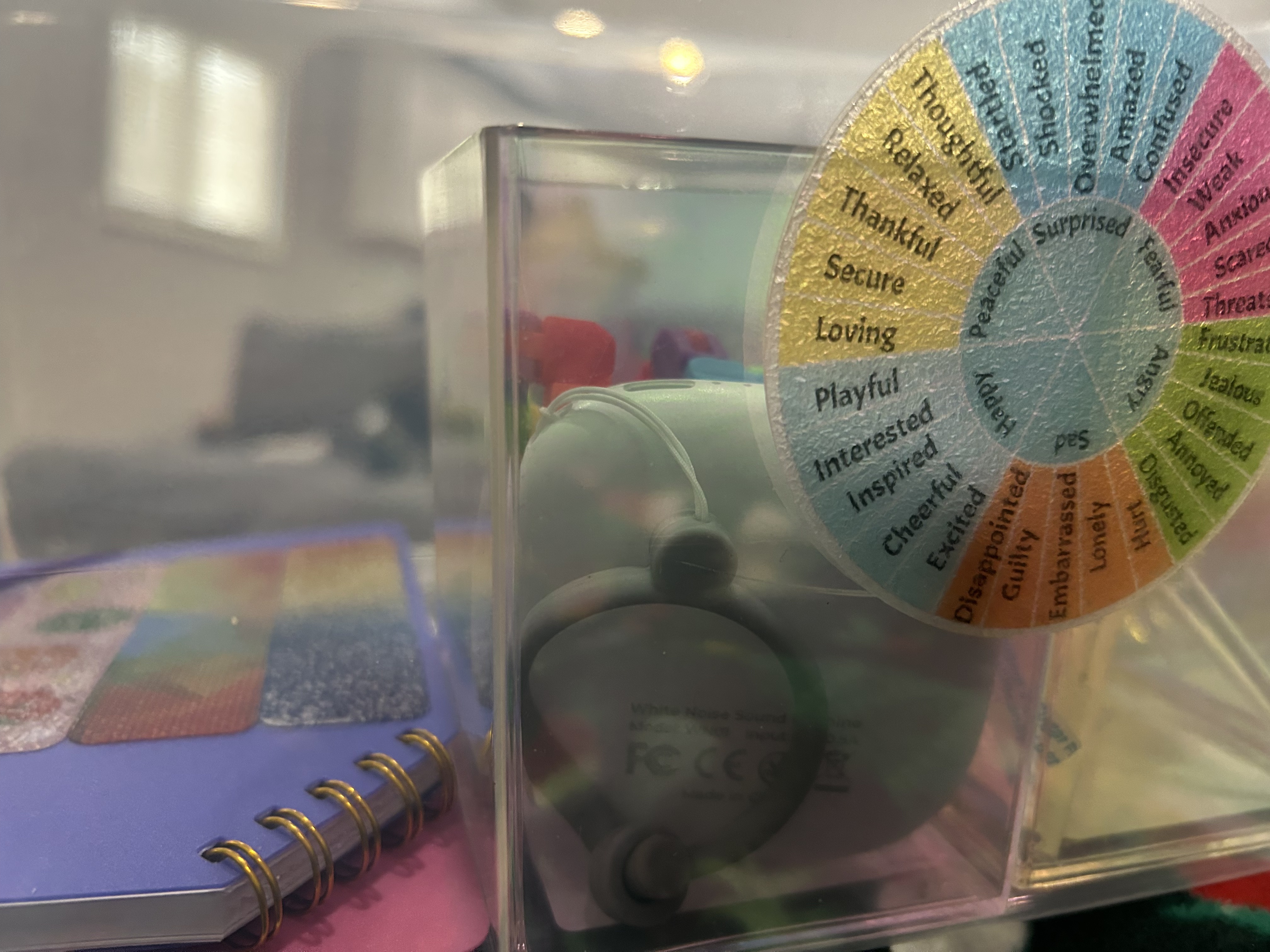
4. Portable Sound Machine

A portable sound machine can be a valuable addition to a sensory bin, enhancing the sensory experience and providing a calming, immersive environment. This sound machine has varying sounds, such as white noise, nature sounds (rain, ocean waves, birds chirping) and gentle music, which can help create a relaxing atmosphere. These sounds can help mask background noises that may be distracting or overstimulating and help reduce stress and anxiety.

5. Mindfulness Stickers

The kids have used their mindfulness stickers to decorate their bins. These stickers are often designed with calming images, patterns, or inspirational phrases that encourage self-reflection, relaxation, and emotional regulation. By incorporating mindfulness stickers into a sensory bin, you can create an interactive, soothing, and engaging environment for children (and adults) to practice mindfulness, focus, and grounding. Some of the stickers help to practice proper breathing, others help with identifying emotions and remembering what we all have control over and what we don’t.

6. Lavendar for Smell

I already had these small jars and decided to repurpose them for the sensory bins. I added three cotton balls with a bit of lavender oil so it wasn’t too overpowering but they could also easily open the jar and smell enough of the scent. Lavender is widely known for its soothing properties, making it a go-to natural remedy for promoting relaxation and calmness.

7. Old fashioned pad and pen!

Drawing pictures and writing stories or random thoughts can all be a great way to ground yourself when feeling anxious. I found the pads and pens at Dollar Tree and the kids decorated their notepads with calming strips.


Customize Your Bin With What Works For You

Every child is unique, and sensory bins can be easily customized to suit your child’s preferences and developmental needs. My kids have already added various toys to their bins and I’m sure they will change over time. Whether you’re creating a calming space or encouraging imaginative play, these bins can provide endless benefits for your kids. Whatโ€™s in your sensory bin? Share your favorite items in the comments below!
Let’s Talk About Sensory Processing Awareness Month

Although I’m a bit late with this year’s post, we are still in October which means it’s Sensory Processing Awareness Month!

If youโ€™ve spent any time on my blog, you know sensory processing disorder (SPD) is a topic close to my heart. Itโ€™s something that shapes our daily lives, from the way we plan our days to how we navigate public spaces, and even how we handle the unexpected.

What is Sensory Processing Disorder?

For those who may not be familiar, Sensory Processing Disorder is a condition where the brain has trouble receiving and responding to information that comes in through the senses. Imagine living in a world where bright lights feel like theyโ€™re burning your skin, loud noises pierce your ears like sirens, or even a hug feels overwhelming. Thatโ€™s what itโ€™s like for many individuals with SPD.

But hereโ€™s the thingโ€”everyone experiences sensory input differently, so SPD manifests in many different ways. Some may be hypersensitive, others may seek out sensory input, and some fluctuate between both extremes.

Our Journey with SPD

Our family’s journey with SPD hasn’t been based on one specific thing. It was many pieces of a puzzle that when put together meant that being bothered by a tag on a shirt wasn’t about the specific tag. Weโ€™ve learned that sensory overload isnโ€™t just about loud noises or bright lightsโ€”it can be the little things, too. Things that might seem inconsequential to someone without SPD. For example, socks with seams or a jacket that feels โ€œwrongโ€ can make or break a day. These are the types of things that many people donโ€™t even think about, but for those with SPD, they can feel monumental. It was all part of a bigger picture. Learning more about sensory input, how the brain works and how everyday things that we take for granted can be so challenging for those with sensory processing difficulties, has shaped the way we look at our everyday life.

Tips for Navigating SPD

Resources like The Star Institute, Sensory Spectacle, reading books or following social media accounts like Sensory Processing Disorder Parent Support has helped in expanding our understanding.

I have a page on this blog with a few of my favorite things including book recommendations, toys and more!

I wanted to take a moment to share a few things that have helped us manage day-to-day life with SPD. Of course, every child is different, but these strategies have been game-changers for us:

  1. Create a Sensory-Friendly Space: This doesnโ€™t have to be fancy, but having a designated area where your child can retreat to when feeling overwhelmed can be so helpful.
  2. Incorporate Sensory Activities: Sensory play has become a regular part of our routine. Whether itโ€™s a bin of rice for tactile exploration, deep pressure activities like jumping on a trampoline, or using noise-cancelling headphones, finding what works for your child is key.
  3. Plan Ahead: We try to be proactive instead of reactive. When heading out for potentially overwhelming activities, we prepare by bringing sensory tools (like fidget toys or a favorite texture) and discussing ahead of time what to expect.
  4. Communicate Openly with Others: Iโ€™ve learned the importance of advocating for my child. Explaining SPD to teachers and family members, has helped them understand why certain accommodations or reactions are necessary. Weโ€™ve had to embrace being the voice for our child until they can speak for themselves.

Every person with SPD experiences the world uniquely, and that deserves recognition.

I hope that by sharing our experiences, I can help shed some light on what itโ€™s like to navigate life with sensory processing disorder and offer a bit of encouragement to other parents who may be feeling overwhelmed or alone on this journey. We may not have all the answers, but weโ€™re learning everyday.

Happy Sensory Processing Awareness Month!

Anxiety in Kids

Anxiety is a very real thing.

If you grew up in the 80s and 90s (or earlier) like I did, then chances are anxiety wasn’t really discussed. When I look back at my childhood, I see difficulties I had…which was actually anxiety.

I personally find it hard to believe that in 2024 people still try to deny anxiety as a real thing or, on the other side, act like it can be easily cured. There is no quick fix. It isn’t something someone can just get over. It’s something you need tools for. Something you have to work on constantly. This is true in both adults and kids.

Bill Hader made a video for Child Mind Institute a few years back to talk about his anxiety. He makes a great analogy how he now works with it instead of feeling attacked by it:

I’ve wrote a lot about sensory overload and how overwhelmed anyone can be in different settings which may cause them to react in different ways. Sensory and Anxiety go hand in hand.

Children with sensory processing disorder often benefit from routine and predictability, as it helps to reduce anxiety and provide a sense of stability. – The Out-of-Sync Child

I see a difference in my kids’ anxiety when I can stick to a routine and also ensure they’re getting some sort of physical activity everyday. But that’s hard to do right? Life happens. People get sick, events pop up, not everyday can be a perfect copy/paste. Along with many other parents, I try my best.

There are so many great resources, toys and more that can help with both sensory needs and support anxiety. Check out A Few Of My Favorite Things for book suggestions and more!

There is so much available now for those who are dealing with anxiety themselves or live with someone experiencing anxiety. Searching on YouTube, TikTok, Instagram, and of course Google can lead you to an entire world of learning more. Below are just two of many links (since I don’t want to overwhelm you) that speak to Sensory and Anxiety specifically:

Sensory Anxiety: Not Your Normal Anxiety from the Star Insittute

Why We May See Similar Signs of Anxiety or Hyperactivity for People with SPD (A Video)

Anxiety will look different for everyone. Keep learning, keep breathing and find the tools to support you and those your love.

Sensory Overload

What does sensory overload look like for you? The truth is, sensory overload can look different for everyone.

According to Queensland Health:

Sensory overload is when your five sensesโ€”light, sound, taste, touch, and smellโ€”take in more information that your brain can process. Overwhelmed by all the input, the brain responds as it would to a life-threatening situation and enters fight, flight, or freeze mode.

You can read more from Queensland Health by clicking here.

Understanding the why behind someone’s reaction to their environment is the key to helping them get through it.โ€‚A child may seem like they’re acting out in a busy store, but in reality, the lights and sounds are just too much for them. An adult at a party may need to leave the room for a bit and get some fresh air. The music, smells of different food and all the people may feel incredibly overwhelming.

Recognizing your own or someone else’s symptoms when experiencing sensory overload can be so beneficial. You’re able to come up with a game plan, code words, bringing items like fidget toys or ear plugs; all the tools one may need in order to properly process the environment around them.

Once again I’m going to shout out Sensory Spectacle. Over on their site, they have downloadable resources under ‘Shop’ and some of which are free! Click here for a printable resource from Sensory Spectacle all about sensory overload. It contains helpful information and characteristics of sensory overload.