A Sensory Education

I’ve learned so much since starting on a sensory journey with my son almost 7 years ago. I learned about sensory integration, sensory toys, sensory products, and more! But the biggest ongoing takeaway for me is how I go about parenting and peopleing.

That’s right, I said peopleing! Whether or not I’m using it correctly, it doesn’t matter because I’m sticking with it. In this sense, I’m talking about how I look at, talk to and understand people around me.

I know there are a lot of official terms going around for parenting and I don’t give my parenting style an official title. I just try to be respectful, provide them tools for the world and meet them where they are. For example:

  • When I see one of my kids (or even another child) react in a way that could be seen as negative (ie: a meltdown, yelling, having an attitude, etc.) I immediately think, I wonder what is actually going on with them. Did something happen at school that affected them that day? Are they nervous about something? Are they feeling pressure or anxiety from a situation? Are they feeling ok? In my 9 years as a parent, how a child is acting is never what it is at the surface. It’s always more. Although it may take time, getting them to understand their emotions and how important it is to talk about them is one of the most important tools I can try to give them.
  • I don’t expect my kids to act like adults. In my observations, I feel like a lot of adults expect so much of kids. Yet, when an adult is overreacting or have a negative emotion, what is the typical response? “Why are you acting like a 5 (2, 10, whatever) year old?” But these same adults may see a child experience a big emotion in public and think “they should know better by now.” No they shouldn’t. They’re learning. All day. Every day. They are going to make mistakes. They’re not going to know how to process everything all the time. Most adults don’t know how to do this either. As parents, it’s our job to guide them, teach them and talk to them. It’s ok to make a mistake, it’s ok to not know everything all the time, it’s ok to feel big emotions. The key is to continue to guide them as to how and where to express those emotions. Do they need to go outside for some air? Do they want to go to a quieter space to talk? This is similar to what I spoke about in a previous blog, ‘Sensory Overload.’ It’s important to recognize why we’re feeling the way we are and how to regulate ourselves. Kids need guidance on that.
  • I believe kids are people (cause they are). It’s strange to me when adults act like they’re not. In 2024 there are still those that feel children should be seen and not heard. Or that they should automatically respect every adult they encounter regardless of how they’re being treated. Or that they should put on a show and entertain adults. Kids aren’t there for anyone’s entertainment. If you’re looking to connect with a child, then get on their level. Ask them questions about things they like, what they’re doing at school, friends, etc.

How does that all apply to peopleing and sensory living? I use similar approaches to other people. If another adult acts in what could be seen as negatvie, I wonder what else could be going on with them. Is everyone in their family healthy? Are they struggling with their mental health? Did they just lose their job?

I do expect adults to act like adults, but recognize we’re all still learning. We’re all continuously growing, changing, and working on ourselves. It’s ok to have set backs, it’s ok to make mistakes. We’re all trying our best.

Other adults may not deserve respect and sometimes I find that out the hard way. I try to talk with people, learn about them and connect. Sometimes you click with people and sometimes you don’t. That’s all ok. Be kind, be patient, be yourself and let the chips fall where they may.

Sensory integration has taught me so much about how we all process the world around us and how it can be a silent struggle for so many everyday.

Sensory Overload

What does sensory overload look like for you? The truth is, sensory overload can look different for everyone.

According to Queensland Health:

Sensory overload is when your five senses—light, sound, taste, touch, and smell—take in more information that your brain can process. Overwhelmed by all the input, the brain responds as it would to a life-threatening situation and enters fight, flight, or freeze mode.

You can read more from Queensland Health by clicking here.

Understanding the why behind someone’s reaction to their environment is the key to helping them get through it. A child may seem like they’re acting out in a busy store, but in reality, the lights and sounds are just too much for them. An adult at a party may need to leave the room for a bit and get some fresh air. The music, smells of different food and all the people may feel incredibly overwhelming.

Recognizing your own or someone else’s symptoms when experiencing sensory overload can be so beneficial. You’re able to come up with a game plan, code words, bringing items like fidget toys or ear plugs; all the tools one may need in order to properly process the environment around them.

Once again I’m going to shout out Sensory Spectacle. Over on their site, they have downloadable resources under ‘Shop’ and some of which are free! Click here for a printable resource from Sensory Spectacle all about sensory overload. It contains helpful information and characteristics of sensory overload.

Our Favorite Vestibular Exercises

Before I get into what some of our favorite Vestibular Exercises are, let’s review what the Vestibular Sense is.

According to NAPA:

The vestibular sense is small structures located in our inner ears which provide information to our brain about the position of our head, motion, and works with other sensory systems to tell us where our body is in space. 

When the vestibular system works correctly, the constant presence of gravity allows all our other sensory systems to work cohesively. The vestibular system contributes to our ability to balance, maintain an upright posture, and stabilize the head and body when moving. It has no effect on muscle strength which is also needed for postural control. – napacenter.org

Now we can into how the kiddos have fun while getting vestibular input!

First up, the Sensory Swing:

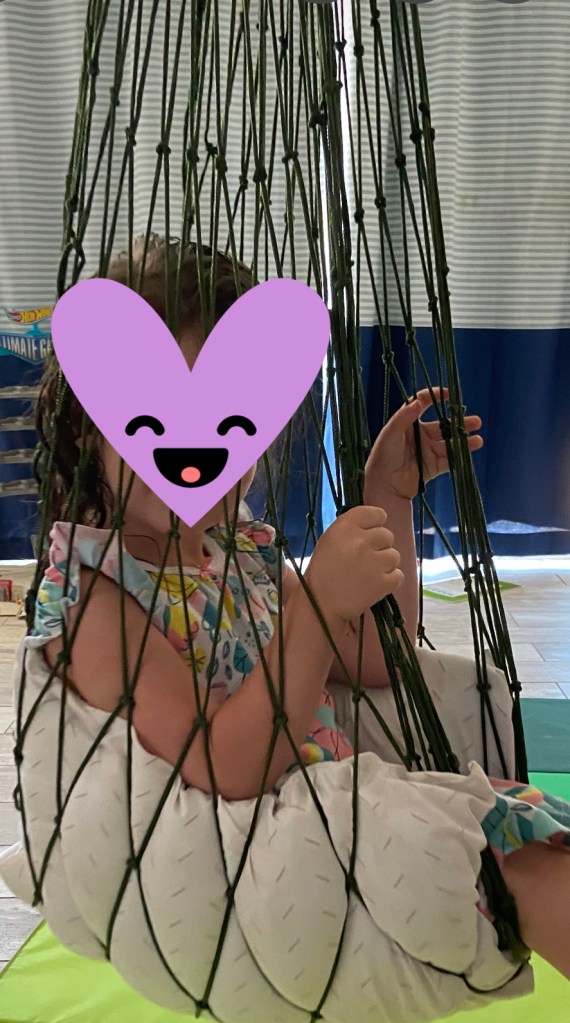
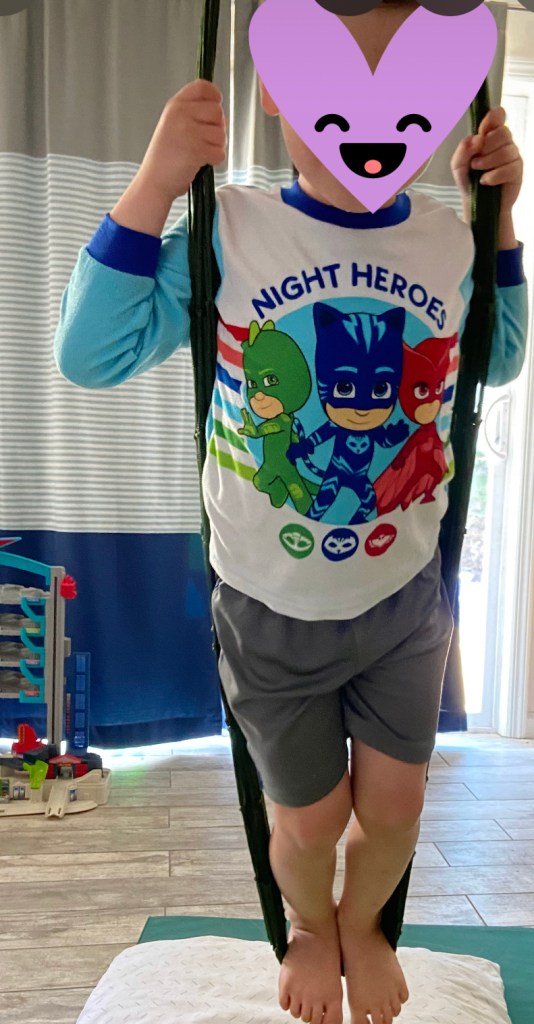
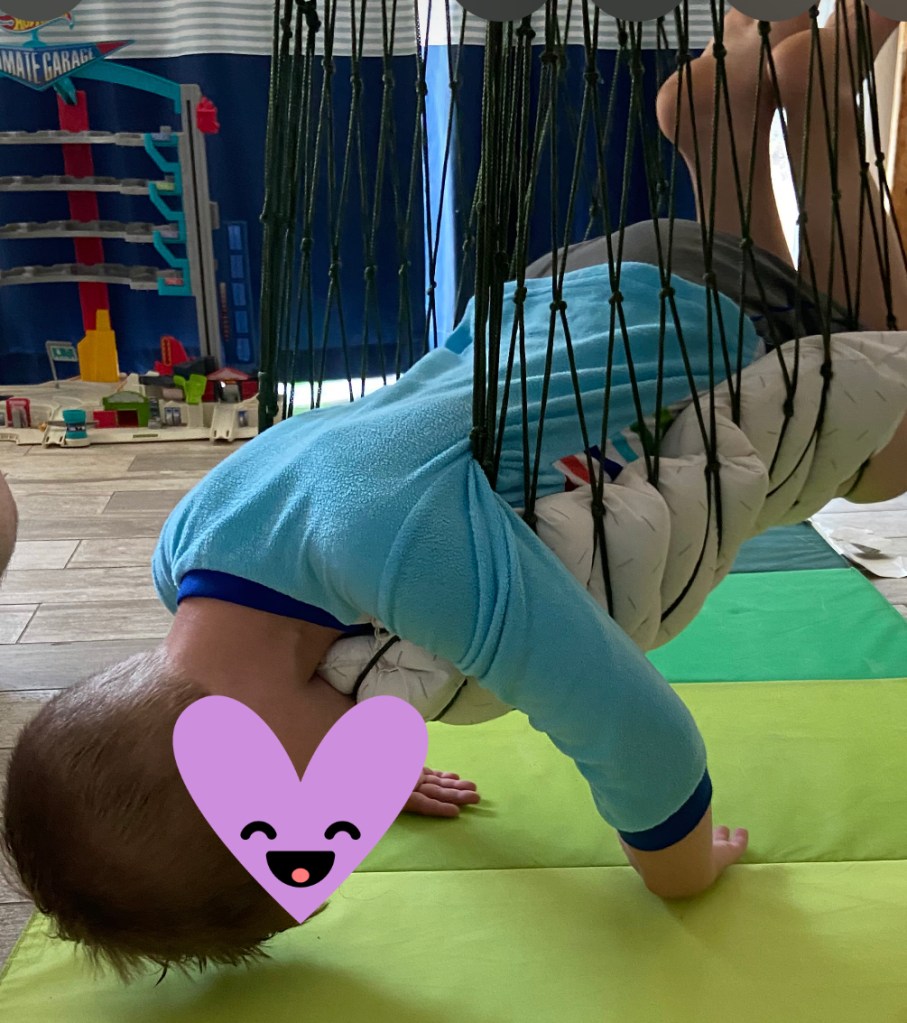
We have the Mesh Sensory Swing from Sensory Scout. The sensory swing is great because of the variety of ways it can be used. It can be a place to chill and read or it can be used building muscles by standing and swinging. Learn more about the benefits of swinging from Sensory Scout:

Next up we have an exercise puzzle mat!

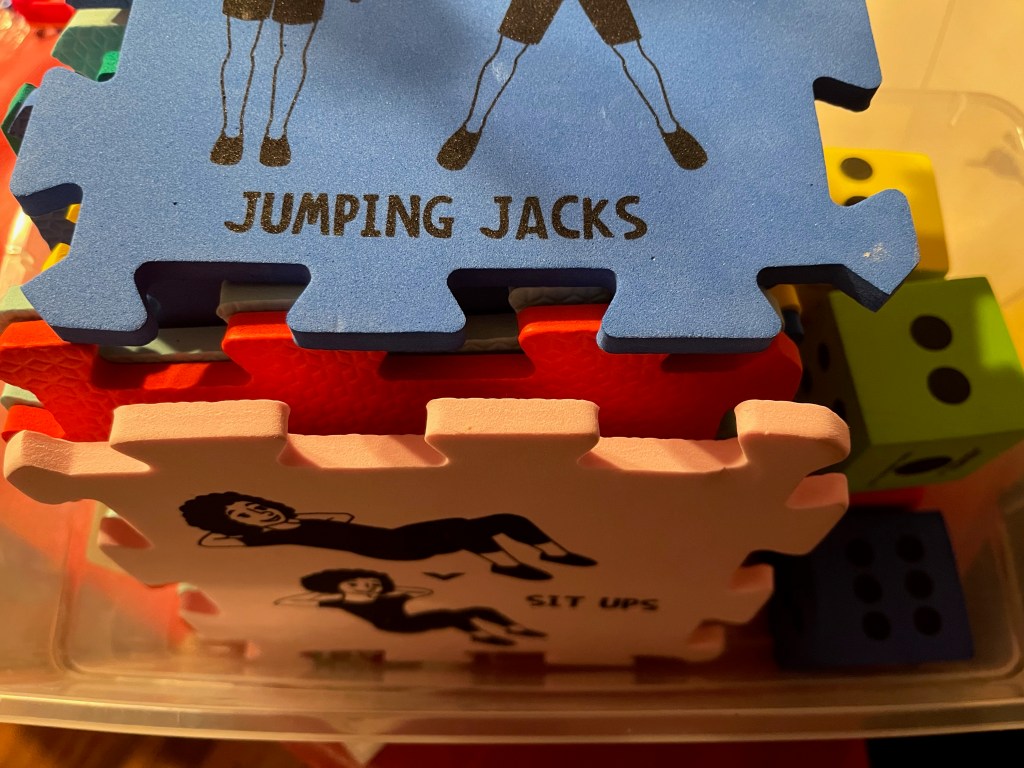
I’m pretty sure I found these at the Target Dollar Spot, but we’ve had them for awhile so I’m not 100%. Each piece has a different exercise on it. We’ve combined them in a bin with dice. The kids will lay them out, roll the dice for the quantity or time they should do each exercise. It’s a great way to give them sensory input, get in some physical activity and have fun!

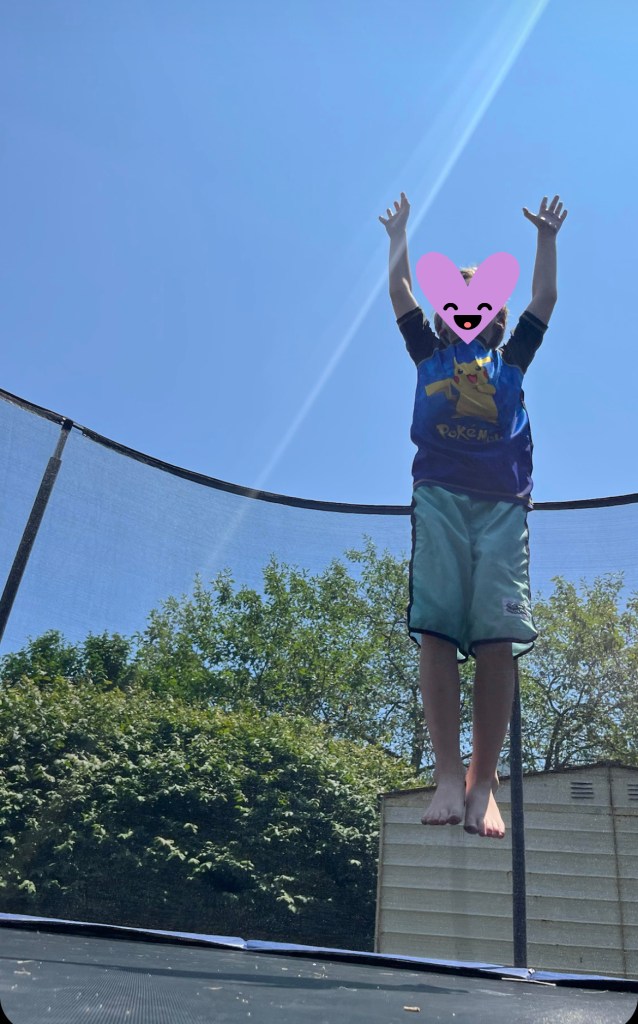
Finally, we have our trampoline!

When it doubt, jump it out! Our trampoline is in our backyard but having a smaller one for inside might be a good option as well. Jumping in the fresh air is always a great way to get some sensory input, work out frustrations and of course have lots of fun with a ton of laughter!

I do recognize that there are safety concerns when it comes to trampolines. Please be sure to set up proper precautions and supervise your child at all times.

These are just a few of our favorites but there’s so many options! We’ll have days where we’re rocking, climbing, dancing and more. Find what works best for you and your family!

For more on the Vestibular Sense:

NapaCenter.org

STAR Institute

Sensory Spectacle on YouTube

Visit Santa Online

During the 2020 Holiday Season, I got to interview the one and only Santa Clause on the Dillo’s Diz Podcast. With still so much uncertainty surrounding us, it was a comfort to be speaking with someone so magical. Aside from the huge honor of interviewing him, we were also chatting about VisitSantaOnline.com, where families could book a zoom call with the big guy himself!

We had been to visit Santa in person in previous years when the kids were in the baby/toddler stage. Since some time had passed, they were feeling a little nervous about seeing him in real life. As we all know, 2020 was a time where not many things were happening in person. The combination of these two factors had me running to this new way to connect with St. Nick!

The visit was amazing! Santa connected with both kids, who were 3 and 6 at the time, and brought Christmas magic to life. He was able to chat with them about some of their wishes for Christmas, school and more. 3 years later, they have continued to talk about it and we decided to book another call with Santa.

With 5 days left until Christmas, we appreciated Santa finding time out of his busy schedule to once again chat with us. Now at 9 and 6, the kids were once again star struck seeing him again. Another magical memory has been made.

If your child is a bit skiddish about meeting Santa in person, if a mall setting would be too overwhelming, or maybe scheduling an in person meeting is tough, I highly recommend checking out VisitSantaOnline.com. You get time to chat with Santa and a recording of the zoom call once it’s done. It’s a fantastic experience!

Thankful for the Christmas season, for watching magic through my kids’ eyes and for Santa as he creates memorable moments!

Holidays and Sensory Processing

Holidays can be a stressful time for all of us. Some of that stress is fun and exciting, but for some people it can be completely overwhelming. Last year, I wrote about how my son asked the question “why is Christmas so overwhelming?” You can read that blog by clicking here.

Feeling comfortable and happy this time of year means creating a welcoming environment, especially for those with sensory processing difficulties. In the past, I’ve talked about the great resource that is Sensory Spectacle. Becky Lyddon has a podcast and recently talked about helpful tips around the holidays. I’m linking it here for those that are interested.

World Mental Health Day

The overall objective of World Mental Health Day is to raise awareness of mental health issues around the world and to mobilize efforts in support of mental health. The Day provides an opportunity for all stakeholders working on mental health issues to talk about their work, and what more needs to be done to make mental health care a reality for people worldwide. – World Health Organization

There is no shame in taking care of your mental health. There is no shame in admitting you need help to take care of your mental health. There is no shame in talking to others about your mental health.

I recognize that in 2023 there is still a stigma when in comes to discussing mental health. I realize there is still a stigma when people talk about going to therapy. However, I am thankful that the stigma seems to be diminishing as each year passes. As it should, right?

It’s hard to talk about sensory difficulties without talking about anxiety. They go hand in hand and can feed off each other easily. Providing your children with the right tools to help them overcome any of their challenges as early as possible can make such a difference. Whether that is speech therapy, occupational therapy, talk therapy, play therapy, while also working with them at home, it can all change how you and your child communicate and get through the day to day.

As a mom, talking to another parent that may be reading this, please know that taking care of your mental health is so important. It’s great to have a support system around you and some are lucky to have that. Whether you do or you don’t, it’s ok to also ask for additional help. Talking to a therapist, meditation, and working on yourself can do wonders for your kids. If you are not regulated, they won’t be either. Being a parent is tough, add having a child with anxiety, sensory difficulties, health issues or any other challenges and being a parent just got tougher. Please take care of yourselves as well.

During World Mental Health Day, I wish for kindness and compassion for all of us. I wish for everyone to feel peace and happiness. For those that aren’t feeling that way, please know it’s ok to ask for help.

Helpful Links:

MentalHealth.org

MentalHealth.org.uk

Star Institute

Psychology Today

Amazon Prime Big Deal Days

I have been taking some time today to search out prime deals on sensory toys and wanted to share them with you!

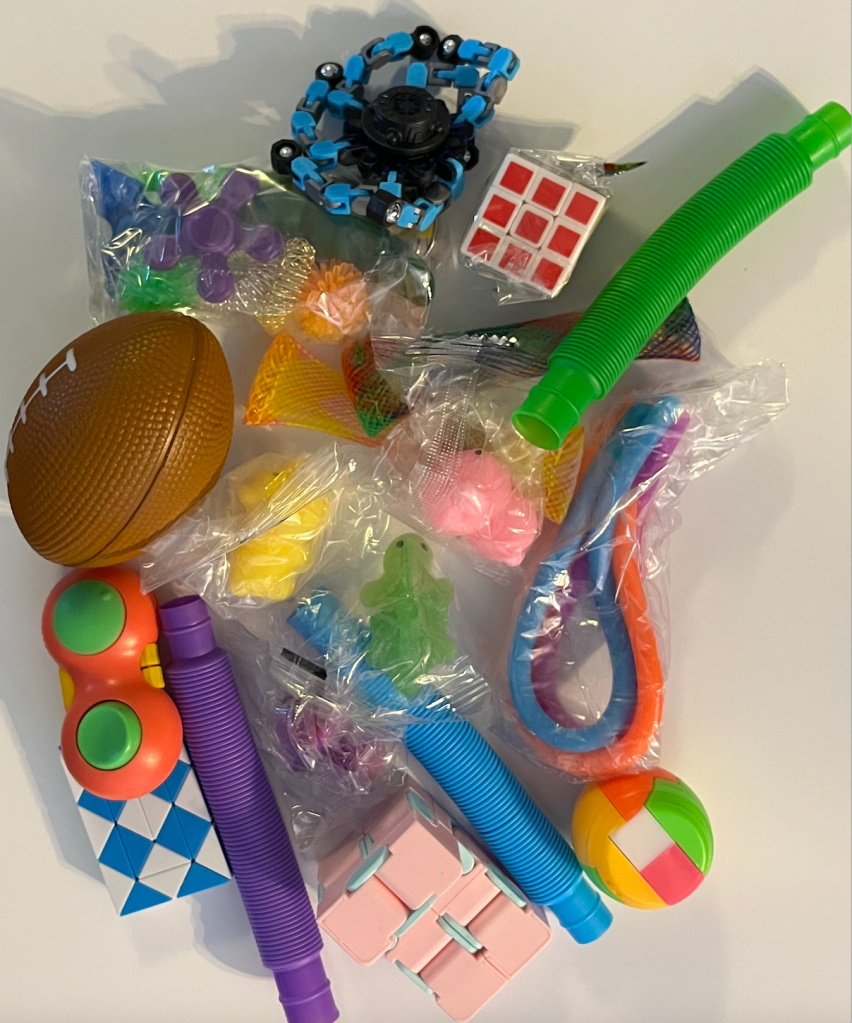
First up is this 70 pack of Sensory Toys! Amazon lists it as potential party favors as well, which is something I haven’t thought about before. I love to have an assortment of toys to put some in a bin at home, some in the car and some to carry around with me as well. You never know when or why one of them will come in handy! Click here to check them out!

Next we have a Busy Book for toddlers! This is great to practice colors, shapes and to learn how to buckle, tie and zip! Although this is intended for toddlers, it’s great to reintroduce each year, especially when school aged children are learning to tie shoes. Click here to check out the busy book!

Lastly, we have Light Up Pop It Game! Another great toy for on the go or at home! My kids love all things pop it: key chains, fidget toys and this game is no different! Click here to check out the Pop It Game!

Amazon Prime Big Day Deals are going on from October 10-October 11. However, I’m sure that Amazon will continue running great deals from now through the holidays!

The Importance of Play

If you’re a parent than you know that playing is one of the most important things children can do. There are so many benefits and it’s so beneficial to your child’s developement.

Once the school year begins and extracurricular activities ramp up, sometimes it’s hard to make time to just play. It’s easy to get caught up in the routine, the chores, going from one activity to the next, working and everything else parents have going on throughout their day.

It’s important to stop and play. Maybe not everyday, but as often as possible. We’re still at an age range where we can do playdates. We have friends we’ve made over the past couple of years that we can call to meet up with at a park, playground, library, bowling, or just hang at one of our houses. The kids are able to be in a comfortable place with some freedom and the ability to interact with each other. They’re able to learn from each other and work on communicating more effectively. The most important thing they’re able to do is have fun in a non-structured environment.

As parents, my husband and I also work to make sure we’re playing as a family. Sometimes we walk up to a nearby school and play Basketball, Box Ball, Wiffle Ball, help them across monkey bars, or just race each other across the field. I won’t tell you who normally wins those races…

Again, I know how much the daily grind can suck you in and you start to rely a little more on school for playing and socialization. However, doing those things outside of school is just as important. I try to be aware of it so that when I feel like it’s been a long week or a busy weekend where we were gogogo, I try to make sure we have that time to stop and play.

Added bonus: it’s just as beneficial to parents!

Want to learn more about the benefits of play? Check out some of these articles:

Why Playing Is So Effecting In Your Kids’ Developement

10 Things Every Parent Should Know About Play

Want Resilient and Well-Adjusted Kids? Let Them Play