Let’s Talk About Sensory Processing Awareness Month

Although I’m a bit late with this year’s post, we are still in October which means it’s Sensory Processing Awareness Month!

If you’ve spent any time on my blog, you know sensory processing disorder (SPD) is a topic close to my heart. It’s something that shapes our daily lives, from the way we plan our days to how we navigate public spaces, and even how we handle the unexpected.

What is Sensory Processing Disorder?

For those who may not be familiar, Sensory Processing Disorder is a condition where the brain has trouble receiving and responding to information that comes in through the senses. Imagine living in a world where bright lights feel like they’re burning your skin, loud noises pierce your ears like sirens, or even a hug feels overwhelming. That’s what it’s like for many individuals with SPD.

But here’s the thing—everyone experiences sensory input differently, so SPD manifests in many different ways. Some may be hypersensitive, others may seek out sensory input, and some fluctuate between both extremes.

Our Journey with SPD

Our family’s journey with SPD hasn’t been based on one specific thing. It was many pieces of a puzzle that when put together meant that being bothered by a tag on a shirt wasn’t about the specific tag. We’ve learned that sensory overload isn’t just about loud noises or bright lights—it can be the little things, too. Things that might seem inconsequential to someone without SPD. For example, socks with seams or a jacket that feels “wrong” can make or break a day. These are the types of things that many people don’t even think about, but for those with SPD, they can feel monumental. It was all part of a bigger picture. Learning more about sensory input, how the brain works and how everyday things that we take for granted can be so challenging for those with sensory processing difficulties, has shaped the way we look at our everyday life.

Tips for Navigating SPD

Resources like The Star Institute, Sensory Spectacle, reading books or following social media accounts like Sensory Processing Disorder Parent Support has helped in expanding our understanding.

I have a page on this blog with a few of my favorite things including book recommendations, toys and more!

I wanted to take a moment to share a few things that have helped us manage day-to-day life with SPD. Of course, every child is different, but these strategies have been game-changers for us:

  1. Create a Sensory-Friendly Space: This doesn’t have to be fancy, but having a designated area where your child can retreat to when feeling overwhelmed can be so helpful.
  2. Incorporate Sensory Activities: Sensory play has become a regular part of our routine. Whether it’s a bin of rice for tactile exploration, deep pressure activities like jumping on a trampoline, or using noise-cancelling headphones, finding what works for your child is key.
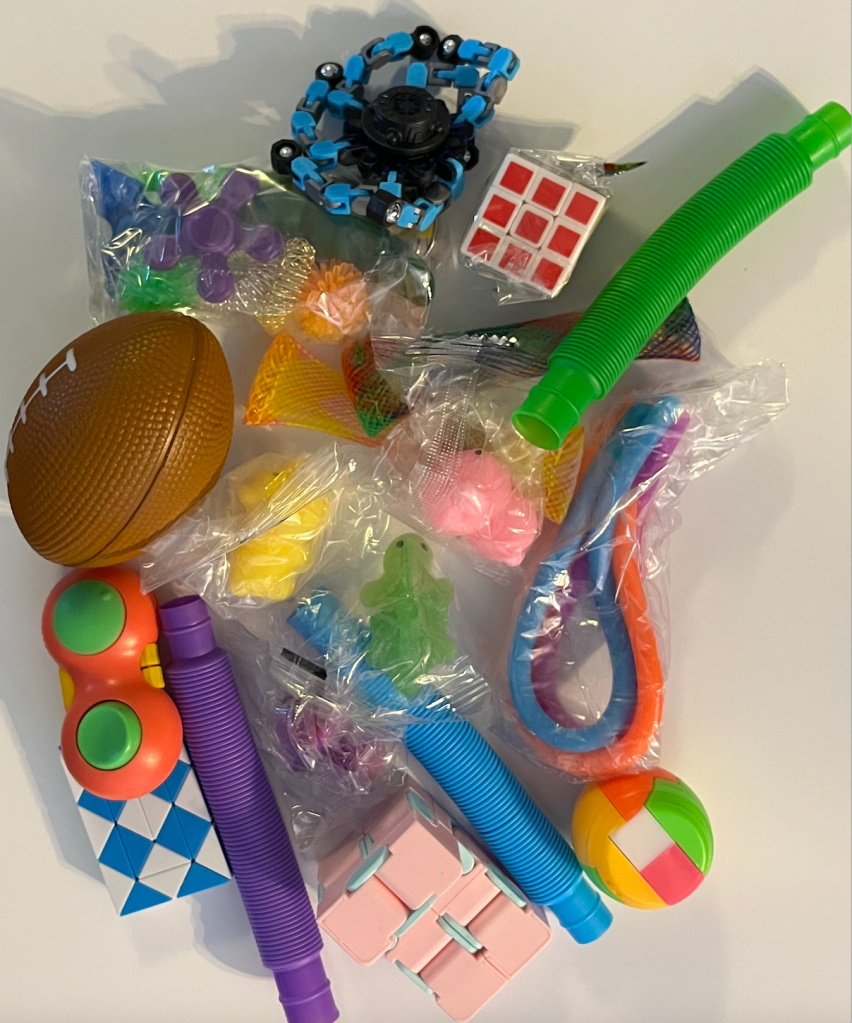
  3. Plan Ahead: We try to be proactive instead of reactive. When heading out for potentially overwhelming activities, we prepare by bringing sensory tools (like fidget toys or a favorite texture) and discussing ahead of time what to expect.
  4. Communicate Openly with Others: I’ve learned the importance of advocating for my child. Explaining SPD to teachers and family members, has helped them understand why certain accommodations or reactions are necessary. We’ve had to embrace being the voice for our child until they can speak for themselves.

Every person with SPD experiences the world uniquely, and that deserves recognition.

I hope that by sharing our experiences, I can help shed some light on what it’s like to navigate life with sensory processing disorder and offer a bit of encouragement to other parents who may be feeling overwhelmed or alone on this journey. We may not have all the answers, but we’re learning everyday.

Happy Sensory Processing Awareness Month!

Anxiety in Kids

Anxiety is a very real thing.

If you grew up in the 80s and 90s (or earlier) like I did, then chances are anxiety wasn’t really discussed. When I look back at my childhood, I see difficulties I had…which was actually anxiety.

I personally find it hard to believe that in 2024 people still try to deny anxiety as a real thing or, on the other side, act like it can be easily cured. There is no quick fix. It isn’t something someone can just get over. It’s something you need tools for. Something you have to work on constantly. This is true in both adults and kids.

Bill Hader made a video for Child Mind Institute a few years back to talk about his anxiety. He makes a great analogy how he now works with it instead of feeling attacked by it:

I’ve wrote a lot about sensory overload and how overwhelmed anyone can be in different settings which may cause them to react in different ways. Sensory and Anxiety go hand in hand.

Children with sensory processing disorder often benefit from routine and predictability, as it helps to reduce anxiety and provide a sense of stability. – The Out-of-Sync Child

I see a difference in my kids’ anxiety when I can stick to a routine and also ensure they’re getting some sort of physical activity everyday. But that’s hard to do right? Life happens. People get sick, events pop up, not everyday can be a perfect copy/paste. Along with many other parents, I try my best.

There are so many great resources, toys and more that can help with both sensory needs and support anxiety. Check out A Few Of My Favorite Things for book suggestions and more!

There is so much available now for those who are dealing with anxiety themselves or live with someone experiencing anxiety. Searching on YouTube, TikTok, Instagram, and of course Google can lead you to an entire world of learning more. Below are just two of many links (since I don’t want to overwhelm you) that speak to Sensory and Anxiety specifically:

Sensory Anxiety: Not Your Normal Anxiety from the Star Insittute

Why We May See Similar Signs of Anxiety or Hyperactivity for People with SPD (A Video)

Anxiety will look different for everyone. Keep learning, keep breathing and find the tools to support you and those your love.

Sensory Overload

What does sensory overload look like for you? The truth is, sensory overload can look different for everyone.

According to Queensland Health:

Sensory overload is when your five senses—light, sound, taste, touch, and smell—take in more information that your brain can process. Overwhelmed by all the input, the brain responds as it would to a life-threatening situation and enters fight, flight, or freeze mode.

You can read more from Queensland Health by clicking here.

Understanding the why behind someone’s reaction to their environment is the key to helping them get through it. A child may seem like they’re acting out in a busy store, but in reality, the lights and sounds are just too much for them. An adult at a party may need to leave the room for a bit and get some fresh air. The music, smells of different food and all the people may feel incredibly overwhelming.

Recognizing your own or someone else’s symptoms when experiencing sensory overload can be so beneficial. You’re able to come up with a game plan, code words, bringing items like fidget toys or ear plugs; all the tools one may need in order to properly process the environment around them.

Once again I’m going to shout out Sensory Spectacle. Over on their site, they have downloadable resources under ‘Shop’ and some of which are free! Click here for a printable resource from Sensory Spectacle all about sensory overload. It contains helpful information and characteristics of sensory overload.

Amazon Prime Big Deal Days

I have been taking some time today to search out prime deals on sensory toys and wanted to share them with you!

First up is this 70 pack of Sensory Toys! Amazon lists it as potential party favors as well, which is something I haven’t thought about before. I love to have an assortment of toys to put some in a bin at home, some in the car and some to carry around with me as well. You never know when or why one of them will come in handy! Click here to check them out!

Next we have a Busy Book for toddlers! This is great to practice colors, shapes and to learn how to buckle, tie and zip! Although this is intended for toddlers, it’s great to reintroduce each year, especially when school aged children are learning to tie shoes. Click here to check out the busy book!

Lastly, we have Light Up Pop It Game! Another great toy for on the go or at home! My kids love all things pop it: key chains, fidget toys and this game is no different! Click here to check out the Pop It Game!

Amazon Prime Big Day Deals are going on from October 10-October 11. However, I’m sure that Amazon will continue running great deals from now through the holidays!

Counting Down To Fall

We’re less than 10 days away until Fall! It’s definitely a favorite time of year for me, but it’s not for everyone. For those with Sensory Processing difficulties, a change in seasons may affect them more than you think.

There are many factors that may play into why someone with SPD may not like this time of year:

  • Going from hotter temperatures to cooler temps and how that makes our bodies feel
  • Having to wear different type of clothing: going from shorts to pants may make someone feel uncomfortable and too covered up.
  • The sounds in the environment: leaves, wind, etc.
  • The smells of the environment

My son was so excited going from cooler temps to warm last year. He was so happy to be able to wear shorts and felt so “free,” as he put it. His entire mood changed, for the better, that first day he wore them to school.

Becky Lyddon and Sensory Spectacle are always so great about providing information regarding SPD. Becky has been kind enough to write guest blogs here in the past (check out the archives) and I was able to talk to her on an episode of the Magical Mommy Monday podcast. Below is a video she put together to explain further why someone with SPD may be affected by changes in weather:

How Does Sensory Processing Affect Sleep?

Taken from The Out-Of-Sync Child:

Falling asleep, staying asleep and waking up may be problematic The child with SPD may need an unusually long afternoon nap, or she may never nap even if exhausted. Because a sleep disorder is often caused be a separation problem, she may want to sleep with her parents She may have trouble comforting herself to sleep, or may constantly awaken during the night.

Sleep problems may be associated with high need for movement. If the child has not had her quota of movement during the day, her arousal levels may fluctuate erratically, and she may become overaroused at night. Over- or underresponsitivity also may cause the child to feel uncomfortable in bed. The pajamas or sheets may feel scratchy. The pillowcase may not smell right, especially after its familiar, ripe scent has been washed out. The blankets may be too heavy or not heavy enough.

My son is 9 and we still struggle with locking in a good bedtime routine. We have a routine, sometimes it works and sometimes it doesn’t. Both of my kids used to go to sleep at 5:00….yup 5! And some nights, I’ll still do that. When I put them to bed at 5, they fall right to sleep and will wake up at 6AM or after. Of course as they’ve gotten older, incorporating school and after school activities, 5:00 it a lot tougher. More often their bedtime is closer to 7. However, at this time, my 6 year old is typically overtired and my 9 year old will come out of the room a dozen times before settling. They’ll still wake up at 6AM or after.

They both wake up during the night, but my 9 year old tends to do it more. We try our best to make sure he’s had enough movement during the day and enough stimulation, without getting overstimulated. It’s an ongoing balancing act.

There are plenty of things you can try if you’re in a similar boat as us.

  • Warm baths
  • Plenty of Movement during the day
  • Limiting screen time closer to bedtime
  • Making sure they’re full from all their meals

However, as much as you try, you may also just be in it right along with us. If you are, know that you’re not alone!

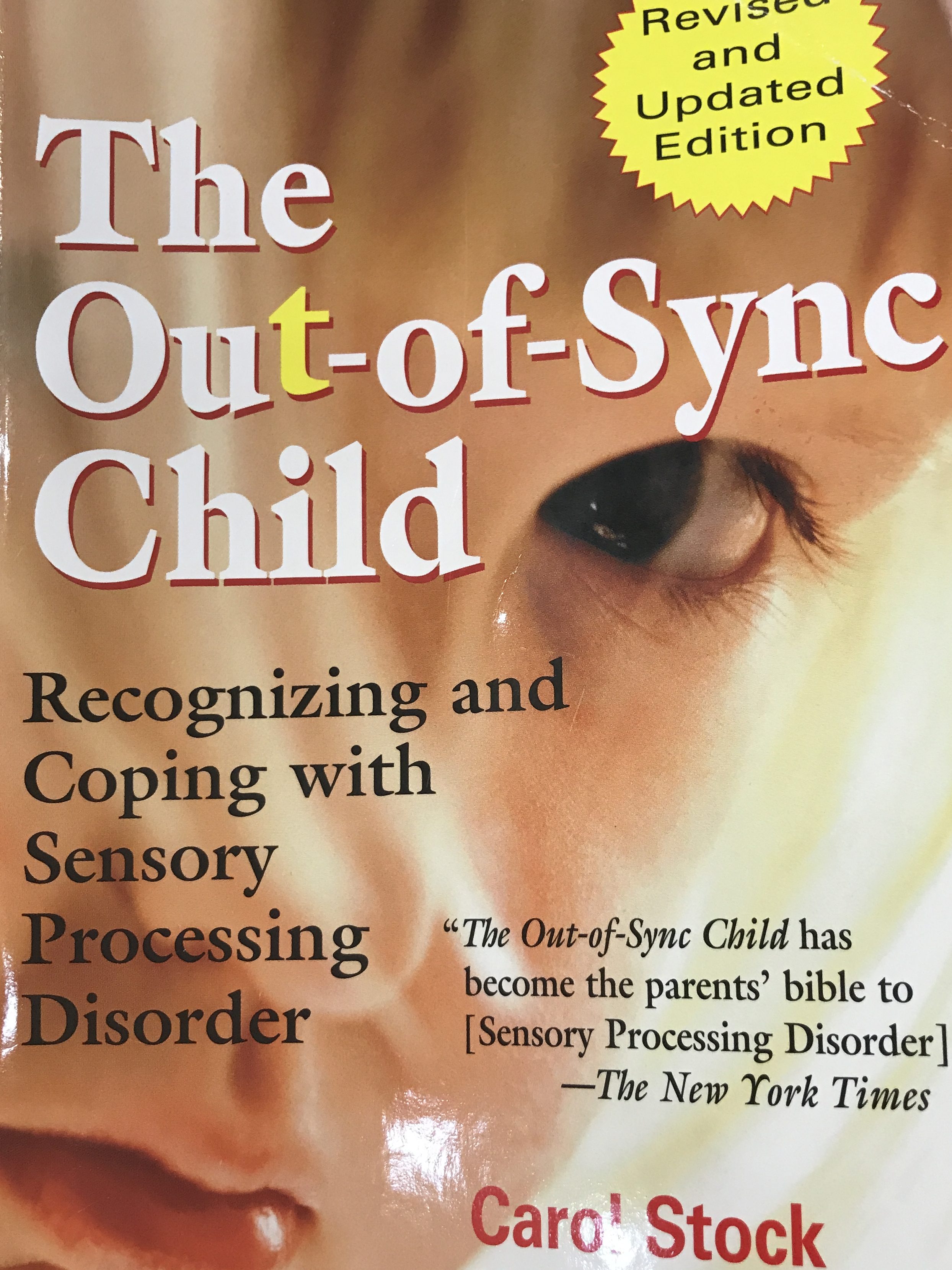
I recommend reading The Out-Of-Sync Child as a resource for all things sensory processing. The book has been updated since I originally purchased it and I am linking the most recent version.

Click here to check out The Out-Of-Sync Child.

Just My MomSense is a participant in the Amazon Services LLC Associates Program

Self Regulation

Taken from: The Out-Of-Sync Child:

The child may have difficulty modulating (adjusting) his mood. He may be unable to “rev up,” or to calm down once aroused. He may become fussy easily. He may have difficulty with self-comforting after being hurt or upset Delaying gratification and tolerating transitions from one activity to another may be hard. The child may perform unevenly: “with it” one day, “out of it” the next.

Self regulation can be extremely difficult for someone with sensory processing difficulties. As a parent, I have also learned how important it is for us to stay regulated when a child is feeling dysregulated. There are a variety of things you can do to help your child during this time:

  • Demonstrate deep breathing
  • Offer a safe environment if they are unable to control their bodies
  • Strong hugs/being covered in a weighted blanket
  • Try different parts of your sensory diet: swinging, jumping on a trampoline, playing with playdoh, etc.

You know your child best and what gets them back to a place of feeling comfortable. I recommend reading The Out-Of-Sync Child as a resource for all things sensory processing. The book has been updated since I originally purchased it and I am linking the most recent version.

I would also recommend listening to the Living a Sensory Life Podcast, where Becky Lyddon discusses self regulation and sensory characteristics.

Click here to check out The Out-Of-Sync Child.

Just My MomSense is a participant in the Amazon Services LLC Associates Program