When the Holidays Are Too Much: Navigating Anxiety & Sensory Overload as a Family

Although the holiday season can be magical, joyful, and full of tradition, it can feel loud, overwhelming, unpredictable, and exhausting. If this sounds familiar, you’re not alone.

On my latest Just My MomSense podcast episode, I talk more about why the holidays can be so overstimulating, how anxiety and sensory challenges feed into each other, and what we can do to help our kids (and ourselves) move through the season with more calm.

You can listen here or on your favorite podcasting platform!

Understanding a Sensory Diet

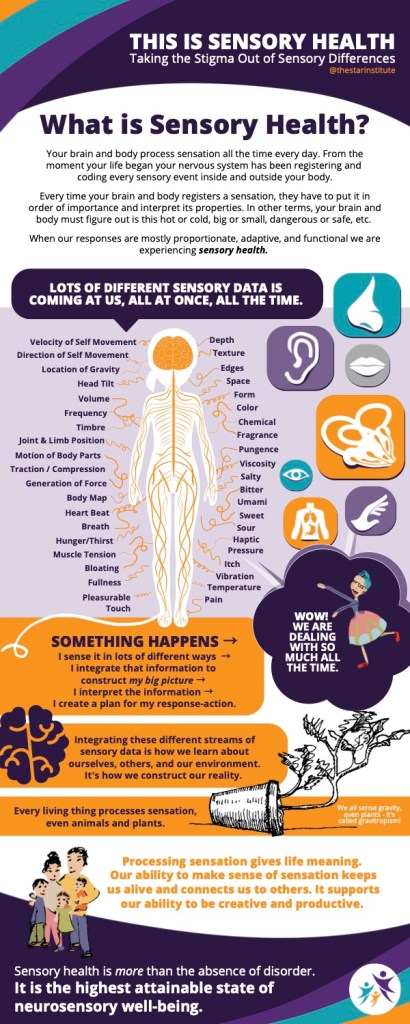
Although we tend to think of food when we hear the word “diet,” a sensory diet isn’t about food at all. It’s about providing the right kind of sensory input throughout the day to help kids (and adults) regulate, focus, and feel their best.

For our family, learning about sensory diets was so helpful. My kids both experience the world in ways that can sometimes feel “too much” or “not enough.” One might crave constant movement, while the other gets overwhelmed by sound or touch. Once we started understanding sensory needs, things began to make a lot more sense. Sensory diets are something I go back to a lot when I feel we’ve gotten too caught up in the day-to-day.

A sensory diet is a personalized plan of activities and strategies designed to give the brain the input it needs to stay regulated. It might include things like:

  • Deep pressure (weighted blankets, tight hugs, compression vests)
  • Movement breaks (jumping, spinning, swinging, or even pushing a heavy laundry basket)
  • Oral input (chewing gum, crunchy snacks, or using a chew necklace)
  • Calming input (soft lighting, noise-canceling headphones, or fidget tools)

Occupational therapists often create sensory diets tailored to a child’s specific needs, but parents can also integrate small strategies at home once they understand what works best for their child. Think of it as feeding your child’s sensory system the “nutrients” it needs to thrive.

Sensory input directly impacts how we feel, think, and behave. When a child’s sensory system is out of balance, they might seem “hyper,” “zoned out,” or “meltdown-prone.” These aren’t bad behaviors, they’re signals.

A well-balanced sensory diet helps:

  • Improve focus and attention
  • Reduce meltdowns and anxiety
  • Support better transitions between activities
  • Promote self-regulation and independence

You don’t need fancy equipment or a sensory room (though those are fun if you have the space). Start with small, intentional moments throughout the day:

  • Morning: Use a weighted blanket, bear crawls, or a quick dance session to wake up the senses.
  • Midday: Add movement breaks such as wall pushes, jumping jacks, or animal walks.
  • Evening: Try calming input before bedtime, like soft music, dim lights, or a lavender bubble bath.

Pay attention to your child’s reactions. What helps them focus? What calms them? What overstimulates them? That’s your roadmap.

If you’re just starting to explore sensory diets, take a deep breath. It’s a learning process and may be a game of trial and error until you figure out what works best. Some strategies might work one week and not the next (trust me, I’ve been there).

You know your child best. You see the cues others might miss. By tuning into their sensory needs, you’re helping them build lifelong skills in self-awareness and regulation.

A sensory diet isn’t a “one-size-fits-all” plan. Some days it’s five minutes of jumping on the trampoline and other days it’s a long walk outside after school. What matters most is consistency and compassion for your child and yourself.

When we start viewing behavior through a sensory lens, everything starts to click.

When is it Empathy and When is it Sensory?

This is a question I asked our speech therapist in the Spring of 2017. My daughter was a few months old at the time and if we were in the car when she started to cry, my son, ‘J’ would cry and tell me to help her. When he first did this, I thought it was endearing and a little heartbreaking as well. Although I don’t doubt that those things actually exist, I started to realize it might be more than that. I questioned it more when we were with my niece and if she would cry, ‘J’ would request to “go home” or “go to his room” so he could calm down. I questioned it when we were out to eat with his friend after a playdate and his friend cried because he wanted a toy car. ‘J’ once again would start to cry and ask to leave. One night while laying with him as he fell asleep, I started googling (always an interesting activity) and realized this might be more than just empathy.

As time went on, I noticed how often he seemed overwhelmed in various situations. I also gave it some time to see if it was a phase he had to grow out of. It wasn’t.

He was Woody from Toy Story for Halloween and the back of the costume had velcro. This was the first time he ever seemed bothered by clothing. From then on, he asks for tags to be cut out of his clothes. We visited a drive -thru Christmas light experience, which we thought he would love! As soon as we arrived, he took one look at the large guitar playing lit up snowman and lost it. It was the saddest thing I’ve ever seen. I felt like I was watching him experience a real life nightmare.

51na3vVi9VL._SX320_BO1,204,203,200_

I started reading more into Sensory Processing and my gut said to seek out an evaluation. With the upcoming holidays and a Disney trip on the horizon, I wanted to make this happen sooner rather than later. Luckily I was able to get the evaluation done before the New Year and before our trip. I started to make notes for the evaluator regarding my concerns and when I was done I had over two pages. I was surprised, but once I thought back to things in the past I had brushed off and the recent months of new experiences we had, there were more than a few red flags.

This week we were approved for Occupational Therapy (OT) twice a week. I’m so happy and can’t wait to start! Seeing how much he’s grown and progressed with speech, I knowbeing in OT and doing exercises at home will help him better process his surroundings.

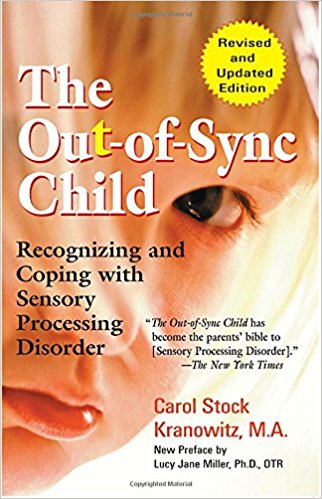
In recent weeks I’ve done even more research, joined Facebook SPD Parent groups and just started reading ‘The Out of Sync Child’ that I ordered on Amazon. Knowledge is power, right?

Click here to check out a video posted on YouTube explaining Sensory Processing Disorder. The video was posted by MichaelGrass House.