How I Set Up Sensory Bins For My Kids

We were in need of a Sensory Bin overhaul!

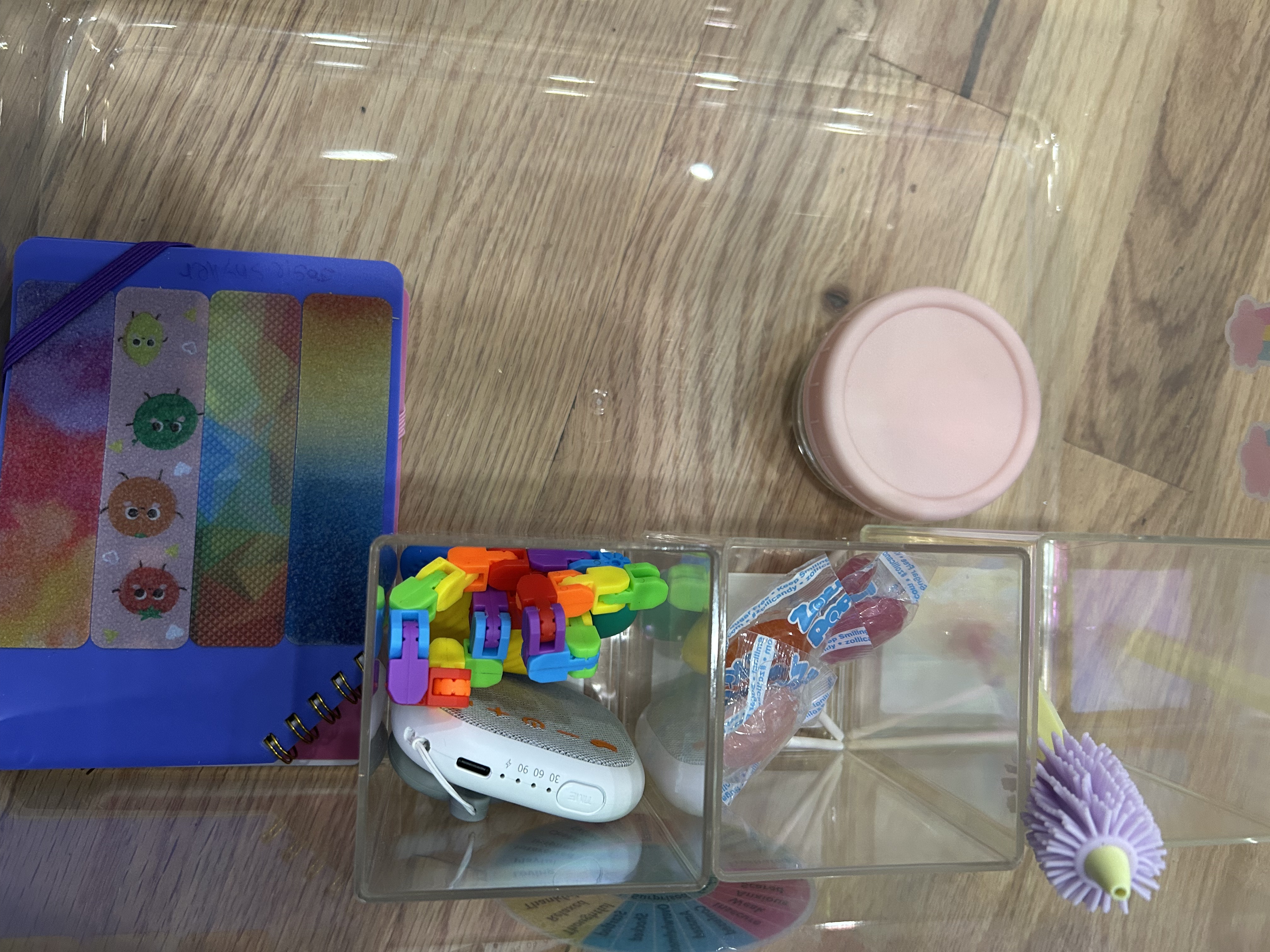
Our old sensory bin was out of sorts and were no longer engaging my 10 and 7 year olds. I was talking with a therapist who mentioned focusing on things you can touch, taste, smell, see and hear. That’s all I needed to hear! Although this makes sense and our old bins somewhat did this, I was able to refocus on the bins in a different way instead of just throwing random toys into it.

Sensory bins have become one of our go-to tools, offering endless opportunities for exploration, creativity, and emotional regulation. In this post, Iโ€™ll share the items we added to our new sensory bins.


What is a Sensory Bin?

Before we dive into the items I included, letโ€™s quickly review what a sensory bin is. Simply put, a sensory bin is a container filled with materials that encourage hands-on exploration. These bins are designed to stimulate a childโ€™s sensesโ€”sight, touch, smell, and sometimes even hearingโ€”through various textures, colors, and items. Sensory bins are great for calming anxious kids, building fine motor skills, and promoting imaginative play. These bins can vary based on age and there are plenty of age appropriate items out there based on your child’s individual needs.


Our Sensory Bin Items

*All of these items can be found on the “These Are A Few Of My Favorite Things” page.*

Here is how we simplified our Sensory Bins:

1. Calming Strips (image taken from Amazon):

These are so cool! Calming strips are a fantastic tool designed to help children (and adults) self-regulate during moments of stress, anxiety, or overstimulation. These strips are a sensory-friendly solution, providing a textured surface that offers a calming tactile experience when touched or rubbed.

2. Fidget Toy Sensory Stone

I love how these stones feel! The Sensory Stone is a calming tool designed to provide immediate tactile feedback to help manage stress, anxiety, and sensory overload. Ideal for children and adults, this smooth, textured stone offers a soothing sensory experience when held and rubbed. Itโ€™s the perfect size to carry in your pocket, making it a discreet tool for on-the-go stress relief, whether at school, work, or home.

The sensory stone promotes mindfulness and grounding by providing a simple, calming action that helps users refocus their energy and reduce tension.

3. Zollipops Lollipops

I wanted to add something for taste with plenty of flavor but no dyes, which wasn’t easy to find. I came across Zollipops on Amazon which has been a great lollipop alternative.

Oral sensory input can help a person stay grounded. The repetitive, calming action of sucking on the lollipop can redirect attention from overwhelming thoughts or feelings, allowing the person to focus on the physical sensation of the treat. For those who experience overstimulation, especially in sensory-sensitive environments (like noisy or crowded spaces), the act of focusing on the sensation of the lollipop can serve as a grounding tool. It offers a quiet, non-intrusive way to redirect attention to a more controlled, manageable sensory experience, helping to reduce feelings of being overwhelmed.

4. Portable Sound Machine

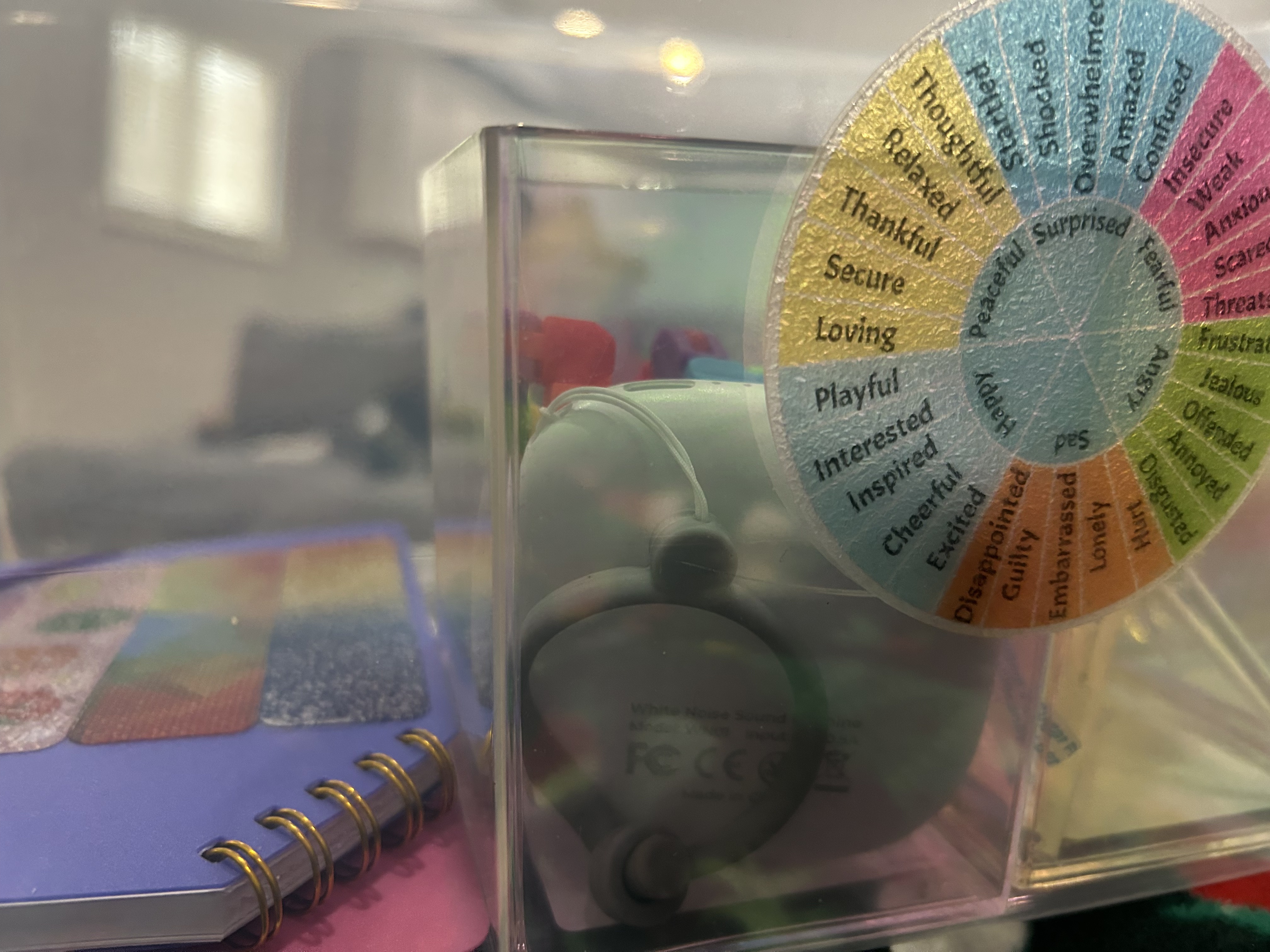
A portable sound machine can be a valuable addition to a sensory bin, enhancing the sensory experience and providing a calming, immersive environment. This sound machine has varying sounds, such as white noise, nature sounds (rain, ocean waves, birds chirping) and gentle music, which can help create a relaxing atmosphere. These sounds can help mask background noises that may be distracting or overstimulating and help reduce stress and anxiety.

5. Mindfulness Stickers
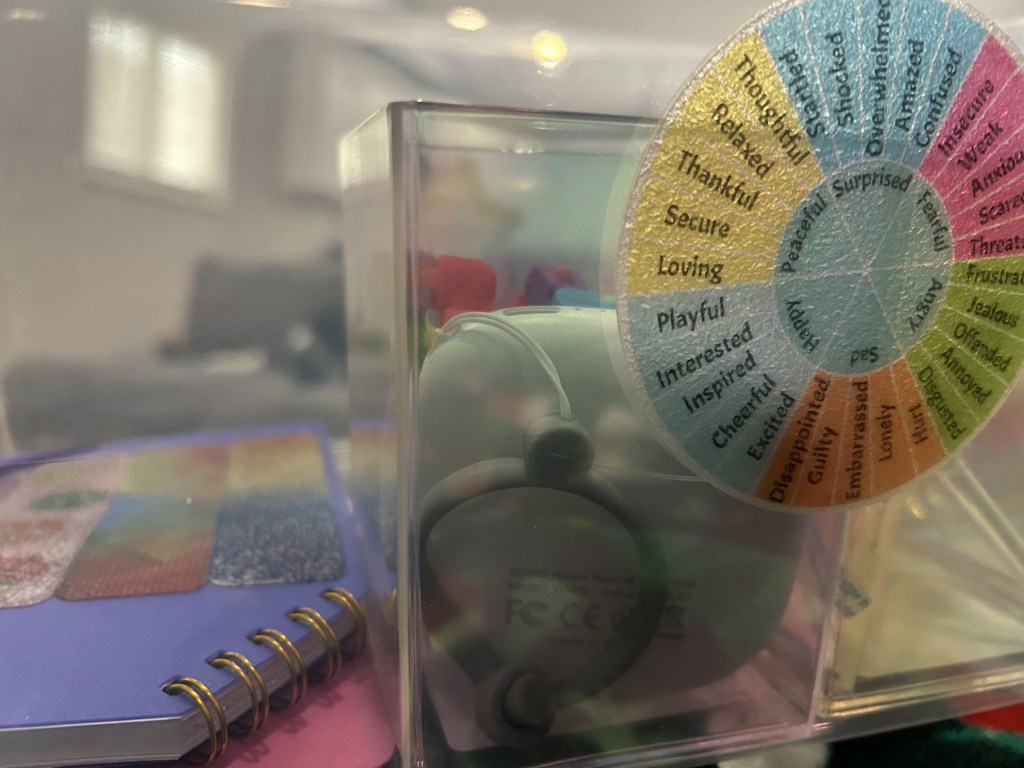
The kids have used their mindfulness stickers to decorate their bins. These stickers are often designed with calming images, patterns, or inspirational phrases that encourage self-reflection, relaxation, and emotional regulation. By incorporating mindfulness stickers into a sensory bin, you can create an interactive, soothing, and engaging environment for children (and adults) to practice mindfulness, focus, and grounding. Some of the stickers help to practice proper breathing, others help with identifying emotions and remembering what we all have control over and what we don’t.

6. Lavendar for Smell

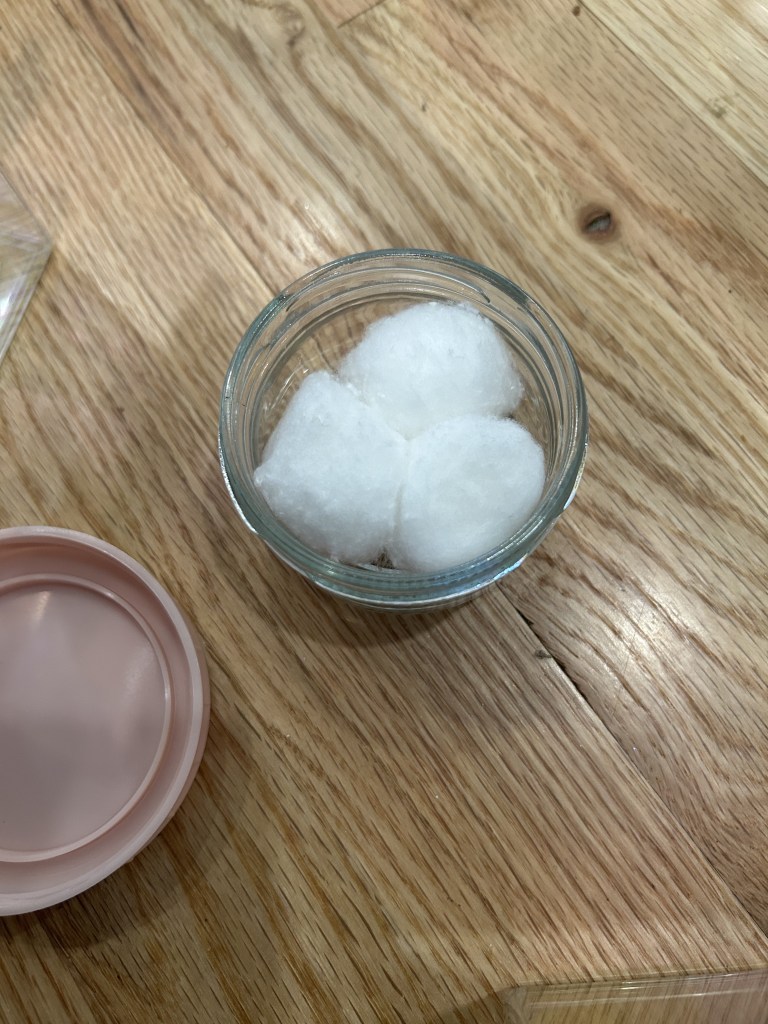
I already had these small jars and decided to repurpose them for the sensory bins. I added three cotton balls with a bit of lavender oil so it wasn’t too overpowering but they could also easily open the jar and smell enough of the scent. Lavender is widely known for its soothing properties, making it a go-to natural remedy for promoting relaxation and calmness.

7. Old fashioned pad and pen!

Drawing pictures and writing stories or random thoughts can all be a great way to ground yourself when feeling anxious. I found the pads and pens at Dollar Tree and the kids decorated their notepads with calming strips.


Customize Your Bin With What Works For You

Every child is unique, and sensory bins can be easily customized to suit your child’s preferences and developmental needs. My kids have already added various toys to their bins and I’m sure they will change over time. Whether you’re creating a calming space or encouraging imaginative play, these bins can provide endless benefits for your kids. Whatโ€™s in your sensory bin? Share your favorite items in the comments below!
Amazon Prime Early Access for Sensory Items

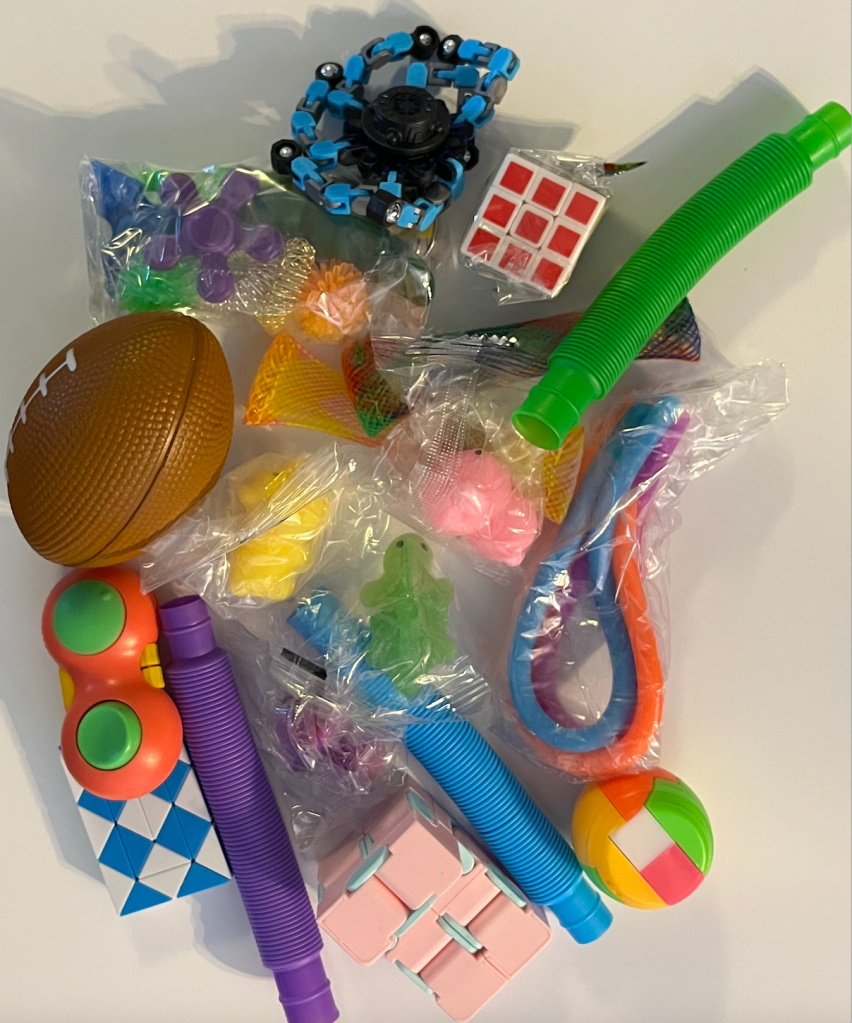
There are so many benefits to sensory items! They can help calm a child, regulate emotions, focus, enhance fine motor skills, improve language skills and so much more.

Amazon is currently running a Prime Early Access promotion today, October 11th and tomorrow, October 12th. Although the links below are affiliate links, they are products (or similar ones) we have in our home.

Click here to check out some of our favorite things!

Sensory Items In My House That Just Make Sense

Are you on TikTok? Do you spend too much scrolling through and watching videos throughout the day? Have you moved up to posting yet?

I have. I started pre-pandemic just scrolling randomly, trying to stay young and keep up with cool apps. And now I’m on it everyday!

But this blog isn’t about TikTok, just inspired by it. There’s a current trend to the song “Che La Luna” where people share things in their homes, their places of work, etc that just make sense. Yesterday, I decided to do one for Sensory Items.

In the video I included:

  • Noise Cancelling Headphones
  • Sensory Swing
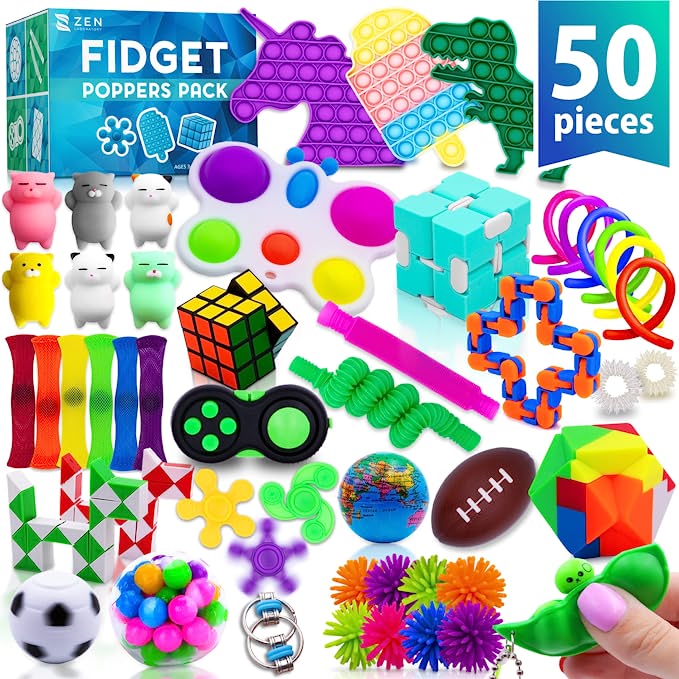
  • Sensory Bin (with fidgets)
  • Sensory Diet Options Chart
  • Trampoline
  • Sensory Sand

Looking around my house today, I could’ve included more like a wiggle seat, beads, molding clay, etc. I’ve talked about various activites with sensory items in previous blogs, but putting them together in one place makes you realize just how much one can accumulate.

What sensory items do you have in your house that just make sense? Feel free to comment on this blog or find me on social media!

Twitter: @jenillo

Instagram: @justmymomsense or @jenillo

TikTok: @jenillotok

Hitting the Reset Button

It’s so easy to get caught up in the craziness of day to day life. I feel like most have returned to making plans, seeing friends and family and being generally “busy.” As adults, we often find ourselves having to hit the reset button. Sometimes we realize we need to get more sleep, eat healthier, exercise more or set new goals. As parents, it’s important to know when we need a parenting reset or our kids need their own reset.

Sensory Processing difficulties can play tricks on you as a parent. You may think you’ve found your groove or have a good routine going. Maybe your kids have grown more and they’re able to express their feelings in a better way. You may even find they’re having more good days than difficult. But kids are little people that are evolving, changing and constantly trying to figure out the world. When we’re in a routine with school, activities and playdates, it’s easy to put that fact on the back burner. We’re just doing instead of making conscious efforts.

‘J’ is seven and a half and in second grade. He’s doing awesome in school. He loves his friends and teacher (and doing extra homework). He was fully virtual last year but did great adjusting back to in person learning. Being around new kids and seeing how they interact was a bit tough at first. He witnessed some rougher play, hitting each other, yelling in each other’s faces, all of which is not his personality. It definitely made him uncomfortable but he’s good about knowing right from wrong and over time started to understand varying personalities.

We’re in NY and this winter has been tough. Not too many days where we could be outside and play. This has an effect on him every year. As soon as the weather gets nicer, we’re outside daily and it definitely helps him regulate his body. With the colder temps, snow and rain, it’s not so easy. His mood is affected, his body is affected and eventually a light bulb goes off in my mind that it’s time to hit the reset button.

With ‘J’ getting older, how his SPD affects him has changed as well. He can spot if there’s a tag in his clothing that he wants cut out before he even wears it which is an improvement from a few years ago. If he’s frustrated or not getting his way, he can’t process how his body reacts to that emotion. Some adults aren’t good at dealing with their frustrations and he’s human, of course he’s allowed to be frustrated sometimes.

However, for him, he takes it out on himself. There’s negative self talk, he physically takes out his frustration on himself and as parents, it’s hard to watch. Especially when, prior to 6 months ago, he never did that.

The best thing we can do in these moments is to stay calm and keep ourselves regulated. No problem when your kid is hurting himself right? It’s not always going to be perfect but it has to be the goal or else the problem will just escalate.

For us, hitting the reset button meant taking a step back to make sure he doesn’t do anything dangerous while also not automatically reacting to everything he’s doing. It meant reminding ourselves that we need to stay calm in order for him to get back to that place too.

Bedtime was starting to get to be a struggle and I finally asked ‘J’ what was overwhelming him. He basically said he didn’t like being told what to do with the routine. So we said no problem, here’s everything we do before bed, how about you decide what you want to do first. This has been a game changer. The routine takes a little longer at night but we’re not in a battle anymore and that’s a huge win.

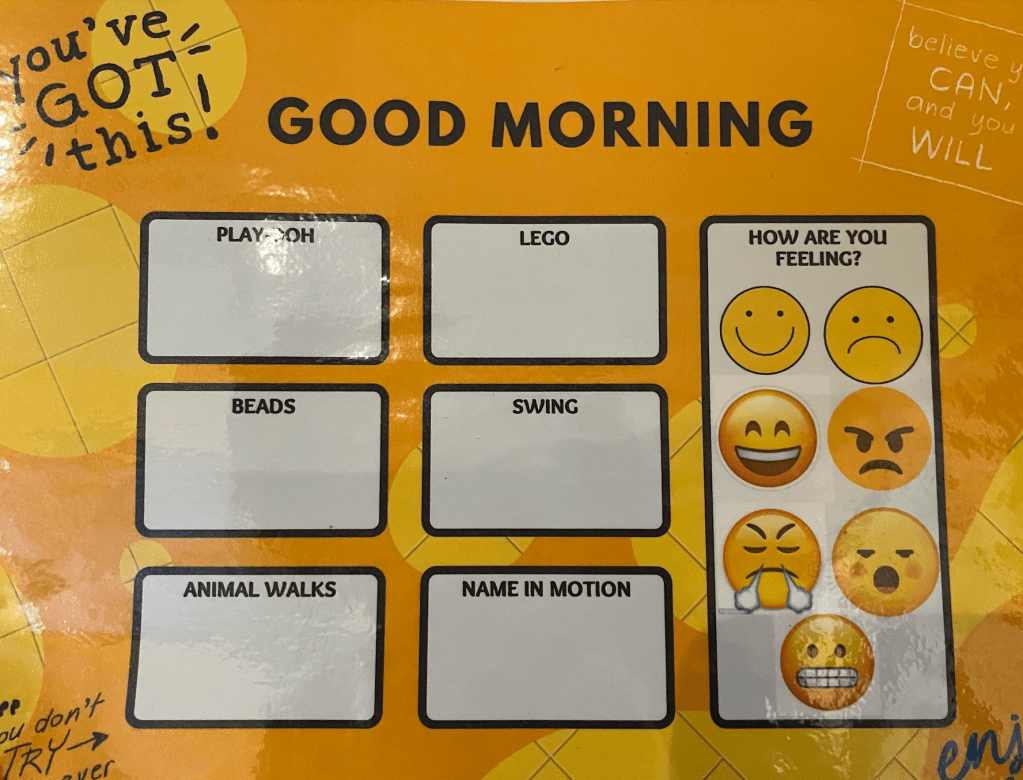
We also started incorporating sensory activities into our day again. This is one of those things that we can let slip when we’re so caught up in the day to day routine. Were we doing sensory activities some days? Yes. But not enough with conscious efforts behind it. We’re now having both kids choose what they want to do in the morning and in the afternoon on a chart. We have play-doh, beads, exercises, sensory swing time, reading a book in a rocking chair and others on the list. Some days we’ve brought their bicycles inside, put the training wheels in our shoes and let them pedal away to release some energy. They love this activity! They’ve used their imaginations to say where they’re going, what kind of adventures they’re encountering and who they may see along the way.

Going back to basics and remembering how important a sensory diet is (in whatever way you can fit it into your day), has helped mitigate some of those frustrating times. Of course they still happen and we will continue to work on different ways to get through those moments. Nothing will change overnight. It’s all about us as adults and our kids continuing to evolve, understanding emotions and figuring out ways to handle them.