When the Holidays Are Too Much: Navigating Anxiety & Sensory Overload as a Family

Although the holiday season can be magical, joyful, and full of tradition, it can feel loud, overwhelming, unpredictable, and exhausting. If this sounds familiar, you’re not alone.

On my latest Just My MomSense podcast episode, I talk more about why the holidays can be so overstimulating, how anxiety and sensory challenges feed into each other, and what we can do to help our kids (and ourselves) move through the season with more calm.

You can listen here or on your favorite podcasting platform!

Understanding a Sensory Diet

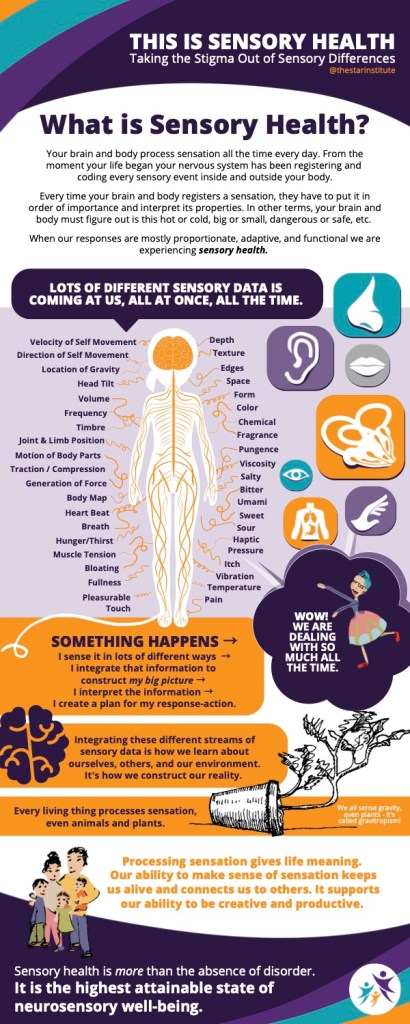
Although we tend to think of food when we hear the word “diet,” a sensory diet isn’t about food at all. It’s about providing the right kind of sensory input throughout the day to help kids (and adults) regulate, focus, and feel their best.

For our family, learning about sensory diets was so helpful. My kids both experience the world in ways that can sometimes feel “too much” or “not enough.” One might crave constant movement, while the other gets overwhelmed by sound or touch. Once we started understanding sensory needs, things began to make a lot more sense. Sensory diets are something I go back to a lot when I feel we’ve gotten too caught up in the day-to-day.

A sensory diet is a personalized plan of activities and strategies designed to give the brain the input it needs to stay regulated. It might include things like:

  • Deep pressure (weighted blankets, tight hugs, compression vests)
  • Movement breaks (jumping, spinning, swinging, or even pushing a heavy laundry basket)
  • Oral input (chewing gum, crunchy snacks, or using a chew necklace)
  • Calming input (soft lighting, noise-canceling headphones, or fidget tools)

Occupational therapists often create sensory diets tailored to a child’s specific needs, but parents can also integrate small strategies at home once they understand what works best for their child. Think of it as feeding your child’s sensory system the “nutrients” it needs to thrive.

Sensory input directly impacts how we feel, think, and behave. When a child’s sensory system is out of balance, they might seem “hyper,” “zoned out,” or “meltdown-prone.” These aren’t bad behaviors, they’re signals.

A well-balanced sensory diet helps:

  • Improve focus and attention
  • Reduce meltdowns and anxiety
  • Support better transitions between activities
  • Promote self-regulation and independence

You don’t need fancy equipment or a sensory room (though those are fun if you have the space). Start with small, intentional moments throughout the day:

  • Morning: Use a weighted blanket, bear crawls, or a quick dance session to wake up the senses.
  • Midday: Add movement breaks such as wall pushes, jumping jacks, or animal walks.
  • Evening: Try calming input before bedtime, like soft music, dim lights, or a lavender bubble bath.

Pay attention to your child’s reactions. What helps them focus? What calms them? What overstimulates them? That’s your roadmap.

If you’re just starting to explore sensory diets, take a deep breath. It’s a learning process and may be a game of trial and error until you figure out what works best. Some strategies might work one week and not the next (trust me, I’ve been there).

You know your child best. You see the cues others might miss. By tuning into their sensory needs, you’re helping them build lifelong skills in self-awareness and regulation.

A sensory diet isn’t a “one-size-fits-all” plan. Some days it’s five minutes of jumping on the trampoline and other days it’s a long walk outside after school. What matters most is consistency and compassion for your child and yourself.

When we start viewing behavior through a sensory lens, everything starts to click.

It’s Podcast Launch Day! Welcome to the Just My MomSense Podcast

Today’s the day.

After months (ok, maybe years) of thinking about it, planning it, second-guessing it, and finally recording it, the Just My MomSense Podcast is officially live!

Writing has always been my comfort zone, but after doing the Dillo’s Diz podcast for the past 7 years and spending a year and a half co-hosting the Magical Mommy Monday podcast, I felt like this was a good next step. I’m excited to share more stories, highlight helpful resources, and talk to experts or other parents!

The Pilot and first official episode are now live! You can listen here by clicking on the Podcast tab on the menu or wherever you listen to podcasts! A new episode will drop on Wednesday and continue weekly.

This isn’t about having all the answers. It’s about sharing what I’ve learned (and am still learning).

Thank you for being here at the start. I’m so excited for what’s to come.

How Weighted Blankets Improve Sleep, Reduce Stress, and Soothe Sensory Needs

There are no words for the excitement both of my kids had once their weighted blankets were delivered and they were under the covers!

The two we bought are linked on the “These Are A Few Of My Favorite Things” page.

These blankets provide gentle, evenly distributed pressure across the body. This comforting sensation, often called “deep touch pressure,” feels like a warm hug and can work wonders for your mind and body. Whether you’re looking for better sleep, stress relief, or sensory support, weighted blankets offer benefits for everyone—kids and adults alike.

There are so many benefits to a weighted blanket:

  • One is how they can help with sleep. By applying gentle pressure, these blankets boost the production of serotonin (the “happy hormone”) and melatonin (the “sleep hormone”) while keeping cortisol (the stress hormone) in check. A lot of hormones working together to improve sleep!
  • A weighted blanket is also great for stress relief. The pressure helps calm your nervous system, creating a sense of security and relaxation.
  • For kids (and adults!) with sensory processing challenges, autism, ADHD, or anxiety, weighted blankets can be a lifesaver. They provide a steady, grounding pressure that helps regulate sensory input and creates a feeling of safety.
  • Weighted blankets are amazing for emotional regulation. When my kids are having a tough time, getting under one of these blankets can make all the difference. It’s like hitting a reset button.

I’m big on putting as many tools in your tool box as you can. Sometimes that is something you can do like a breathing technique and others it can be an actual item. Weighted blankets are a tool for better sleep, less stress, and sensory balance. Our kids love their blankets!

Have you tried a weighted blanket? I’d love to hear how it’s worked for you. Drop your thoughts in the comments!

If you’d like to see the weighted blankets we picked out on Amazon (as pictured below), you can check them out here, along with a few of our other favorite things!

How Does Sensory Processing Affect Sleep?

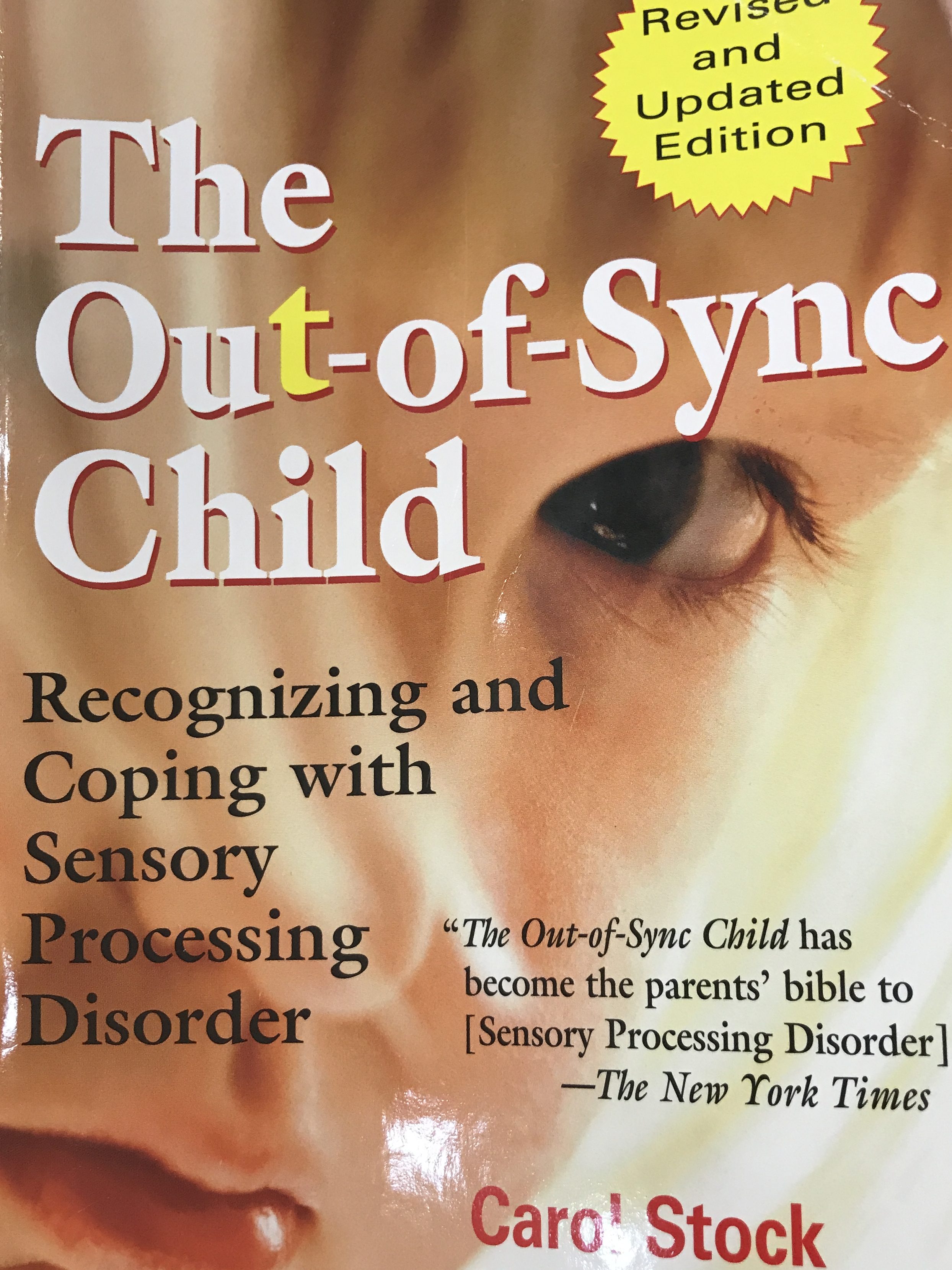
Taken from The Out-Of-Sync Child:

Falling asleep, staying asleep and waking up may be problematic The child with SPD may need an unusually long afternoon nap, or she may never nap even if exhausted. Because a sleep disorder is often caused be a separation problem, she may want to sleep with her parents She may have trouble comforting herself to sleep, or may constantly awaken during the night.

Sleep problems may be associated with high need for movement. If the child has not had her quota of movement during the day, her arousal levels may fluctuate erratically, and she may become overaroused at night. Over- or underresponsitivity also may cause the child to feel uncomfortable in bed. The pajamas or sheets may feel scratchy. The pillowcase may not smell right, especially after its familiar, ripe scent has been washed out. The blankets may be too heavy or not heavy enough.

My son is 9 and we still struggle with locking in a good bedtime routine. We have a routine, sometimes it works and sometimes it doesn’t. Both of my kids used to go to sleep at 5:00….yup 5! And some nights, I’ll still do that. When I put them to bed at 5, they fall right to sleep and will wake up at 6AM or after. Of course as they’ve gotten older, incorporating school and after school activities, 5:00 it a lot tougher. More often their bedtime is closer to 7. However, at this time, my 6 year old is typically overtired and my 9 year old will come out of the room a dozen times before settling. They’ll still wake up at 6AM or after.

They both wake up during the night, but my 9 year old tends to do it more. We try our best to make sure he’s had enough movement during the day and enough stimulation, without getting overstimulated. It’s an ongoing balancing act.

There are plenty of things you can try if you’re in a similar boat as us.

  • Warm baths
  • Plenty of Movement during the day
  • Limiting screen time closer to bedtime
  • Making sure they’re full from all their meals

However, as much as you try, you may also just be in it right along with us. If you are, know that you’re not alone!

I recommend reading The Out-Of-Sync Child as a resource for all things sensory processing. The book has been updated since I originally purchased it and I am linking the most recent version.

Click here to check out The Out-Of-Sync Child.

Just My MomSense is a participant in the Amazon Services LLC Associates Program

Self Regulation

Taken from: The Out-Of-Sync Child:

The child may have difficulty modulating (adjusting) his mood. He may be unable to “rev up,” or to calm down once aroused. He may become fussy easily. He may have difficulty with self-comforting after being hurt or upset Delaying gratification and tolerating transitions from one activity to another may be hard. The child may perform unevenly: “with it” one day, “out of it” the next.

Self regulation can be extremely difficult for someone with sensory processing difficulties. As a parent, I have also learned how important it is for us to stay regulated when a child is feeling dysregulated. There are a variety of things you can do to help your child during this time:

  • Demonstrate deep breathing
  • Offer a safe environment if they are unable to control their bodies
  • Strong hugs/being covered in a weighted blanket
  • Try different parts of your sensory diet: swinging, jumping on a trampoline, playing with playdoh, etc.

You know your child best and what gets them back to a place of feeling comfortable. I recommend reading The Out-Of-Sync Child as a resource for all things sensory processing. The book has been updated since I originally purchased it and I am linking the most recent version.

I would also recommend listening to the Living a Sensory Life Podcast, where Becky Lyddon discusses self regulation and sensory characteristics.

Click here to check out The Out-Of-Sync Child.

Just My MomSense is a participant in the Amazon Services LLC Associates Program