When the Holidays Are Too Much: Navigating Anxiety & Sensory Overload as a Family

Although the holiday season can be magical, joyful, and full of tradition, it can feel loud, overwhelming, unpredictable, and exhausting. If this sounds familiar, you’re not alone.

On my latest Just My MomSense podcast episode, I talk more about why the holidays can be so overstimulating, how anxiety and sensory challenges feed into each other, and what we can do to help our kids (and ourselves) move through the season with more calm.

You can listen here or on your favorite podcasting platform!

Everyday Kindness: Small Acts That Make a Big Difference

Today is World Kindness Day, a reminder that kindness doesn’t have to be big, loud, or complicated. Sometimes, the most powerful acts of kindness are the quiet, everyday ones. As parents, we have this amazing opportunity to help our children understand that kindness is a skill, a habit, and a choice.

Here are a few simple ways families can celebrate kindness, not just today, but everyday:

Kindness begins in the little moments. Encourage siblings to help one another, say thank you, and use gentle words. Let your kids see you apologize when needed.

Create a “Kindness Jar.” Every time someone in the family does something kind, (holding the door, helping clean up, comforting a friend) write it down and drop it in the jar. At the end of the week, read them aloud and recognize the acts together.

Send a handwritten note to a teacher, draw a picture for a neighbor, or drop off snacks for your local library or fire station. Showing gratitude to others teaches kids that kindness connects us all.

Model it. When we give ourselves grace after a tough day or use positive words when talking about ourselves, we show our kids that kindness isn’t just something we give, it’s something we deserve, too.

Ask your kids what kindness means to them. You might be surprised by their answers. These conversations help build empathy and awareness.

Kindness doesn’t require perfection, it just needs intention. Today, take one extra moment to be kind, not only to others but yourself too. Then, share your favorite family kindness idea in the comments or tag #JustMyMomSense on social media! Let’s fill our feeds (and our homes) with a little more good.

Rising Together: How Mark Ingrassia Is Using Special Ed Rising To Empower Families and Educators

If you’ve ever felt overwhelmed navigating the world of special education, you’re not alone. This week on the Just My MomSense podcast, I talk with Mark Ingrassia, the heart and voice behind SpecialEdRising.com, to talk about his inspiring journey and mission to uplift families, educators, and students everywhere.

Mark is a passionate advocate and educator who has dedicated his career to supporting children with diverse learning needs. Through his podcast and website, Special Ed Rising, he’s built a safe and welcoming space for conversations about inclusion, advocacy, and understanding.

In our episode, Mark shares his journey into the world of special education, the lessons he’s learned along the way, and the inspiration behind Special Ed Rising. We also talk about the importance of community and how support, understanding, and a shared mission can make all the difference for children and the adults who champion them.

🔗 Listen to the Episode

For more about Mark’s work, visit SpecialEdRising.com and follow Special Ed Rising on social media.

World Mental Health Day: Caring for the Whole Family’s Mind

Every year on October 10, the world pauses to recognize World Mental Health Day. A day to remember that our mental well-being matters just as much as our physical health.

The truth is, mental health starts at home, in our daily routines, our conversations, and the ways we care for one another. Whether you’re a parent, child, or caregiver, mental health is something we can nurture together.

Kids learn how to express emotions by watching us. Talking about feelings, the good and the hard ones, normalizes emotional ups and downs. Try asking your kids questions like:

  • “What made you smile today?”
  • “Was there anything that felt tricky or stressful?”
  • “How does your body feel when you’re upset?”

It doesn’t have to be heavy, just consistent. These conversations help children build emotional vocabulary and teach them it’s okay to ask for help.

As parents, we won’t always get it right. But showing your kids how you calm down through deep breathing, taking a short walk, or saying, “I need a minute to think,” teaches emotional regulation better than any lecture could. When we practice self-care openly, we give our kids permission to do the same.

Routines help everyone feel grounded, especially kids who thrive on predictability. Simple rituals like reading before bed, eating dinner together, or sharing highs and lows of the day create connection and stability which are two key ingredients for strong mental health.

It’s easy to put everyone else’s needs first, but your mental health deserves care, too. Check in with yourself:

  • Are you sleeping enough?
  • Are you eating regularly?
  • When was the last time you did something just for you?

Even a few minutes a day of quiet, journaling, or movement can make a difference.

Caring for our family’s mental health doesn’t have to mean grand gestures. It’s the small, everyday choices that build emotional strength: a hug, a walk, a laugh, or a moment of grace when things go wrong.

This World Mental Health Day, let’s remind ourselves and our kids that it’s okay not to be okay and that help, hope, and healing are always within reach.

Understanding Different Types of Therapy for Kids and Families

This household is very pro therapy! However, it’s so hard to know where to start, what the different types of therapies mean and what may be best for you or your child. With it being Sensory Processing Awareness Month, I thought I would explore the many types of therapy available for children and families; from occupational and speech therapy to CBT and talk therapy.

Occupational Therapy (OT)

Occupational Therapy helps kids build the skills they need for everyday life, from tying shoes and brushing teeth to regulating their emotions.

Common goals:

  • Improving fine and gross motor skills
  • Building independence with self-care
  • Supporting emotional and sensory regulation

Speech Therapy

Speech therapy goes beyond pronunciation. It can also help children who struggle with communication, social interaction, and feeding.
Speech therapists work on everything from articulation and expressive language to understanding nonverbal cues.

Common goals:

  • Improving clarity and confidence in speech
  • Strengthening language comprehension
  • Supporting social communication and pragmatic skills

Physical Therapy (PT)

Physical therapists help children build strength, balance, and coordination. This therapy is especially beneficial for kids with developmental delays, low muscle tone, or motor planning challenges.

Common goals:

  • Increasing strength and endurance
  • Improving posture and balance
  • Building coordination for daily tasks and play

Play Therapy

Play therapy uses play, a child’s natural form of expression, to help them process big feelings and experiences. It can be especially effective for children who have anxiety, trauma, or difficulty expressing emotions verbally.

Common goals:

  • Building emotional awareness
  • Developing coping and problem-solving skills
  • Strengthening trust and communication with caregivers

Cognitive Behavioral Therapy (CBT)

CBT is a type of talk therapy that helps children (and adults) recognize negative thought patterns and replace them with more positive, realistic ones.
It’s a powerful tool for anxiety, depression, and emotional regulation. Therapists often use visual aids, role-play, and journaling to make CBT age-appropriate and engaging.

Common goals:

  • Managing anxious or negative thoughts
  • Building resilience and confidence
  • Developing coping strategies for real-life challenges

Talk Therapy

Talk therapy provides a safe, judgment-free space for both kids and parents to explore feelings, relationships, and stressors. For parents, it can also be an invaluable form of support when navigating a child’s diagnosis or behavioral challenges.

Common goals:

  • Reducing stress and overwhelm
  • Improving communication within families
  • Processing emotions in a healthy, supported way

Feeding Therapy

Feeding therapy helps children who struggle with eating, whether due to sensory sensitivities, oral motor challenges, or anxiety around food.
A therapist might use gradual exposure, play, and desensitization to help make mealtime more positive and successful.

Common goals:

  • Increasing comfort with new foods
  • Building safe swallowing and chewing skills
  • Reducing mealtime anxiety and power struggles

Parent and Family Therapy

Therapy isn’t just for kids, it’s for families, too. Parent coaching or family therapy can help improve communication, set boundaries, and strengthen relationships.

Common goals:

  • Building teamwork between caregivers
  • Creating consistent routines
  • Understanding and supporting each child’s needs

Therapy isn’t a one-size-fits-all solution. Every child and every family is unique. What matters most is finding the right combination of support that meets your child where they are.

Whether it’s OT for sensory needs, CBT for anxiety, or play therapy to help your child open up, each form of therapy is a step toward greater understanding, connection, and confidence.

Understanding a Sensory Diet

Although we tend to think of food when we hear the word “diet,” a sensory diet isn’t about food at all. It’s about providing the right kind of sensory input throughout the day to help kids (and adults) regulate, focus, and feel their best.

For our family, learning about sensory diets was so helpful. My kids both experience the world in ways that can sometimes feel “too much” or “not enough.” One might crave constant movement, while the other gets overwhelmed by sound or touch. Once we started understanding sensory needs, things began to make a lot more sense. Sensory diets are something I go back to a lot when I feel we’ve gotten too caught up in the day-to-day.

A sensory diet is a personalized plan of activities and strategies designed to give the brain the input it needs to stay regulated. It might include things like:

  • Deep pressure (weighted blankets, tight hugs, compression vests)
  • Movement breaks (jumping, spinning, swinging, or even pushing a heavy laundry basket)
  • Oral input (chewing gum, crunchy snacks, or using a chew necklace)
  • Calming input (soft lighting, noise-canceling headphones, or fidget tools)

Occupational therapists often create sensory diets tailored to a child’s specific needs, but parents can also integrate small strategies at home once they understand what works best for their child. Think of it as feeding your child’s sensory system the “nutrients” it needs to thrive.

Sensory input directly impacts how we feel, think, and behave. When a child’s sensory system is out of balance, they might seem “hyper,” “zoned out,” or “meltdown-prone.” These aren’t bad behaviors, they’re signals.

A well-balanced sensory diet helps:

  • Improve focus and attention
  • Reduce meltdowns and anxiety
  • Support better transitions between activities
  • Promote self-regulation and independence

You don’t need fancy equipment or a sensory room (though those are fun if you have the space). Start with small, intentional moments throughout the day:

  • Morning: Use a weighted blanket, bear crawls, or a quick dance session to wake up the senses.
  • Midday: Add movement breaks such as wall pushes, jumping jacks, or animal walks.
  • Evening: Try calming input before bedtime, like soft music, dim lights, or a lavender bubble bath.

Pay attention to your child’s reactions. What helps them focus? What calms them? What overstimulates them? That’s your roadmap.

If you’re just starting to explore sensory diets, take a deep breath. It’s a learning process and may be a game of trial and error until you figure out what works best. Some strategies might work one week and not the next (trust me, I’ve been there).

You know your child best. You see the cues others might miss. By tuning into their sensory needs, you’re helping them build lifelong skills in self-awareness and regulation.

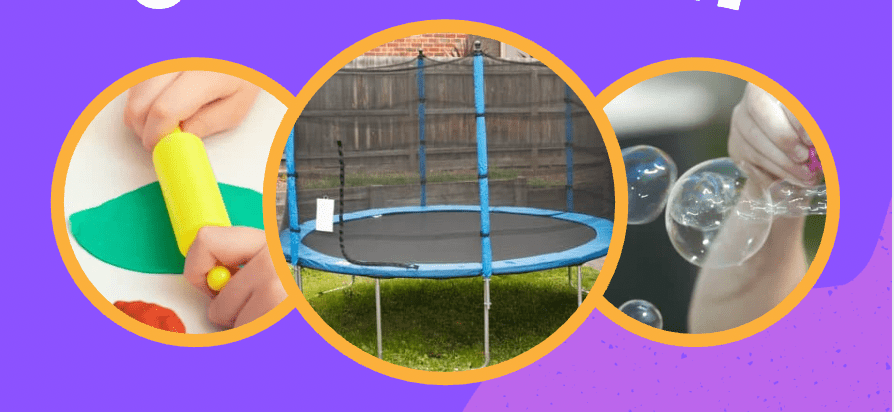
A sensory diet isn’t a “one-size-fits-all” plan. Some days it’s five minutes of jumping on the trampoline and other days it’s a long walk outside after school. What matters most is consistency and compassion for your child and yourself.

When we start viewing behavior through a sensory lens, everything starts to click.

Understanding Sensory Processing Symptoms

If you’ve ever wondered why your child covers their ears at the sound of a vacuum, avoids certain clothes, or seems to crave movement all the time, you’re not alone. For me, I felt like I had pieces of a puzzle and on their own, they didn’t mean much but when I started putting them together, a bigger picture was being formed.

Sensory processing is how the brain receives and responds to input from our senses (touch, sound, taste, smell, sight, movement, and body awareness). For most people, the brain organizes these signals automatically. But for those with Sensory Processing Disorder (SPD) or sensory differences, the system can get a little tangled.

Some pieces of the puzzle we were collecting back when my 11 year old was 3:

  • Back in 2017, he wanted to be Woody for Halloween. The back of his costume closed with velcro. This was the first time we really noticed a piece of clothing bothering him. The sound, the feel of it, everything bothered him. To this day, he cuts all tags out of his clothing.
  • 2017 was also when his sister was born. If we were in the car and she started to cry, he would start to cry and beg us to help her and take him home. He had similar reactions to others crying, including friends.
  • He was visibly overwhelmed in crowds and even during a drive-thru Christmas light display.

I talked in an earlier blog on how I started collecting these pieces and googling, while also consulting with his speech therapist. The experience opened our eyes to what sensory processing really means and how it affects everyday life in ways most people don’t even notice.

At 11, he’s able to recognize when things are too much or too overwhelming for him. His sister has had her own sensory experiences. It’s been interesting to see the overlaps and the differences in what can affect them in their individual sensory processing.

Sensory processing symptoms can vary wildly, but they often fall into two main categories: sensory avoiding and sensory seeking.

Sensory Avoiding

Kids who are sensory avoiders might:

  • Cover their ears or run from loud noises (like hand dryers or fire alarms)
  • Refuse certain fabrics, tags, or seams in clothing
  • Dislike being touched or hugged unexpectedly
  • Avoid crowded or visually “busy” spaces
  • Prefer dim lights and quiet settings

They’re not being “difficult,” their brains are simply trying to protect them from sensory overload.

Sensory Seeking

On the flip side, sensory seekers might:

  • Constantly move, jump, spin, or crash into things
  • Touch everything within reach (including people!)
  • Make loud noises or seek vibration
  • Love messy play or crave strong tastes and textures
  • Find calm through deep pressure, like a weighted blanket or tight hug

Kids (and adults) can also be sensory seeking with certain things, but sensory avoiders with others.

Recognizing sensory processing symptoms isn’t about labeling a child, it’s about understanding them. When we start to see the “why” behind behaviors, everything changes. Instead of frustration, there’s compassion. Instead of punishment, there’s support.

Here are a few small ways to make a big difference:

  • Create a sensory-safe space or bucket at home. For example: a cozy corner with fidgets, soft lighting, and weighted items.
  • Build sensory breaks into the day: a swing in the yard, a walk after school, or quiet time with a favorite texture.
  • Work with an occupational therapist (OT) who specializes in sensory integration.
  • Follow your child’s lead. They’ll show you what they need, sometimes with words, sometimes with behavior.

Sensory processing isn’t about “fixing” our kids. It’s about understanding their world and helping them feel comfortable in it. Every sensory system is unique and that’s what makes our kids who they are.

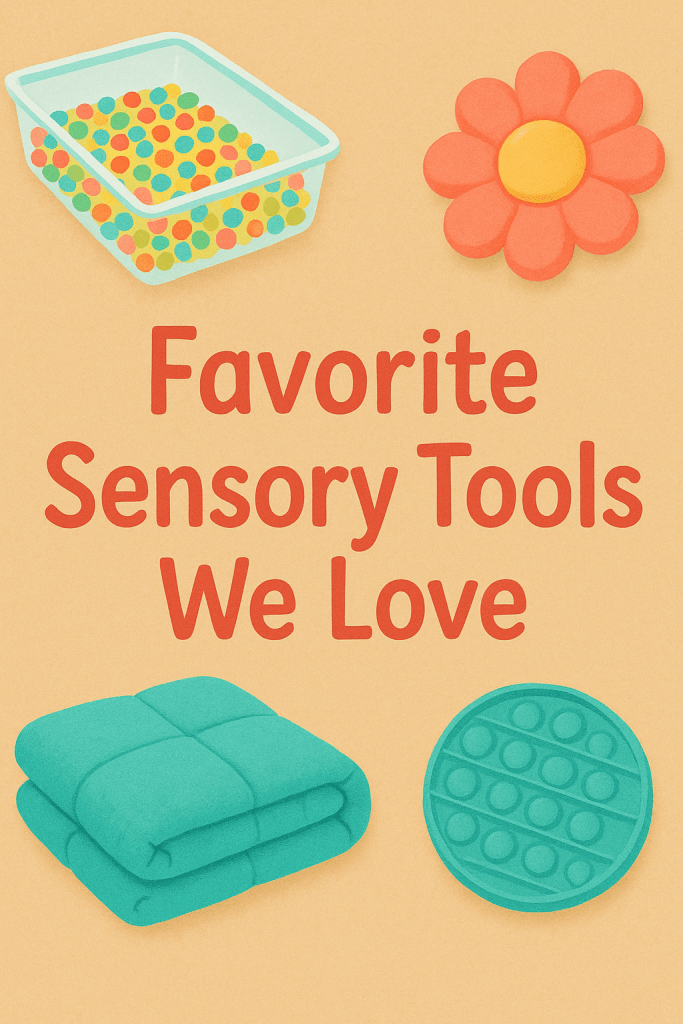
If this topic speaks to you, you might also enjoy my post on my favorite sensory tools and items that have helped in our home.

You know yourself and your child best. Trust your gut, trust your “MomSense” because having the knowledge and the right tools can make all the difference.

Supporting Sensory Needs with Everyday Tools

With October being Sensory Processing Awareness Month, it’s a great time to talk about how our nervous systems process the world around us. Some children (and adults) seek more sensory input, while others avoid it and often, kids can show a mix of both depending on the situation.

Understanding the difference can make daily life feel smoother, and having the right tools on hand can transform overwhelm into comfort.

Sensory Seekers and Avoiders: Two Sides of the Same Coin

  • Sensory Seekers crave input. They might spin, jump, chew, or touch everything around them because their nervous system wants more.
  • Sensory Avoiders are easily overwhelmed by input. Tags in clothes, sudden noises, or bright lights can feel like “too much,” leading them to pull away, cover ears, or resist.

It’s important to remember that these aren’t opposites that cancel each other out. A child can be a seeker in one area (loving spinning and swinging) and an avoider in another (hating sticky or itchy textures).

Having the right resources at home, in the classroom, or even in the car can help kids feel grounded and safe. Some examples:

  • For sensory seekers: weighted balls, chewable jewelry, swings, trampolines, or fidget tools.
  • For sensory avoiders: soft tag-free clothing, noise-reducing headphones, blackout curtains, or cozy calming corners.
  • For both: books that explain sensory differences, flexible seating options, or tools that can be adapted depending on your child’s comfort level.

I’ve been keeping a list of items we have used (or similar). You can explore them all on my Favorite Things page. Whether you’re parenting a seeker, an avoider, or a little bit of both, this list is designed to help you find what works best for your family.

Sensory needs don’t disappear with age, they evolve. The more we learn, the better we can support our kids (and even ourselves) with patience, empathy, and the right resources. If you’re just beginning this journey, know you don’t have to figure it all out alone and simple tools can make a big difference.

Sensory Avoiders

Yesterday was all about Sensory Seekers but today will be all about Sensory Avoiders. While seekers crave more input, avoiders experience the opposite. Their nervous systems process input as overwhelming, and they often react by withdrawing, resisting, or shutting down.

Recognizing the different types of sensory avoiders can help parents, caregivers, and teachers provide the right environment and support.

Vestibular Avoiders

The vestibular system controls balance and movement. Vestibular avoiders often dislike swings, slides, or activities that make them feel off balance. They may resist climbing, running, or spinning. Supporting them means allowing slow, predictable movement at their own pace and never forcing participation.

Proprioceptive Avoiders

The proprioceptive system gives feedback from muscles and joints. While many children love deep pressure, proprioceptive avoiders may resist hugs, dislike tight clothing, or avoid heavy lifting. Respecting their boundaries and offering gentler forms of input can help them feel safe.

Tactile Avoiders

The tactile system processes touch. Tactile avoiders may dislike certain fabrics, resist messy play, or pull away from unexpected touch. Tags in shirts, scratchy clothing, or sticky textures can feel unbearable. Support strategies include soft clothing, gradual exposure, and allowing choice in textures.

Oral Avoiders

The oral sensory system processes input through the mouth. Oral avoiders may be picky eaters, avoiding foods with certain textures or strong flavors. They may gag easily or resist toothbrushing. Providing a variety of safe, preferred foods and slowly introducing new ones can reduce stress.

Auditory Avoiders

The auditory system interprets sound. Auditory avoiders may cover their ears at loud noises, dislike crowded environments, or struggle with sudden sounds like vacuums or alarms. Noise-canceling headphones, quiet spaces, and preparing them for upcoming sounds can make environments more manageable.

Visual Avoiders

The visual system processes light and movement. Visual avoiders may dislike bright lights, avoid crowded or cluttered spaces, or find fast-moving visuals overwhelming. Soft lighting, sunglasses, and calm visual environments are helpful supports.

Sensory avoiders aren’t being difficult or picky. Their nervous systems are sending danger signals in response to overwhelming input. By understanding their unique sensory needs, we can help them feel more comfortable and secure.

Awareness of sensory avoiders allows us to shift from frustration to compassion. Supporting them isn’t about pushing them into uncomfortable situations, it’s about respecting their boundaries and creating safe, supportive spaces where they can thrive.

Reminder: Sensory Processing Difficulties aren’t kid-specific. It’s not something that goes away with age. There are ways to learn how to manage and support the day-to-day challenges and there are many adults that need support as well.

Sensory Seekers

Let’s talk about sensory seekers. While some people are more sensitive and may avoid sensory input, sensory seekers are the opposite. Their nervous systems crave more input in order to feel calm and regulated. Understanding the different types of sensory seekers and the sensory systems involved can help us better support kids and adults who are wired this way.

Vestibular Seekers

The vestibular system is all about balance and movement. Vestibular seekers crave activities like spinning, swinging, jumping, or running. They’re often described as “on the go” and may have trouble sitting still. Safe outlets include trampolines, swings, or dance breaks throughout the day.

Proprioceptive Seekers

The proprioceptive system helps us sense our body position through muscles and joints. Proprioceptive seekers love heavy work and deep pressure. You might see them crashing into furniture, giving tight hugs, or lifting and carrying heavy objects. Support them with weighted blankets, obstacle courses, or tasks like pushing a laundry basket or carrying groceries.

Tactile Seekers

The tactile system processes touch through the skin. Tactile seekers are drawn to textures and physical contact. They might touch everything around them, love messy play, or constantly seek hugs. Activities like sensory bins, playdough, water play, and textured fabrics can help meet their needs.

Oral Seekers

The oral sensory system processes input through the mouth. Oral seekers may chew on pencils, bite clothing, or prefer crunchy and chewy snacks. Chewable jewelry, straws, gum, and snack options like pretzels or apples are safe ways to provide oral input.

Auditory Seekers

The auditory system interprets sound. Auditory seekers often hum, tap, or make noises. They may love music, loud environments, or playing with instruments. Consider drumming, rhythm games, or music breaks to meet their sensory needs.

Visual Seekers

The visual system processes light and movement. Visual seekers are drawn to bright lights, colors, and moving objects. They may love light-up toys, spinning fans, or repeated video clips. Glow sticks, bubble tubes, and lava lamps are great tools for visual input.

Recognizing which sensory systems a child or adult seeks can help redirect behaviors into safe and supportive outlets. Instead of labeling them as restless or disruptive, we can see their actions as communication.

Supporting sensory seekers isn’t about stopping the need for input, it’s about understanding and meeting it in a way that helps them thrive.

Reminder: Sensory Processing Difficulties aren’t kid-specific. It’s not something that goes away with age. There are ways to learn how to manage and support the day-to-day challenges and there are many adults that need support as well.